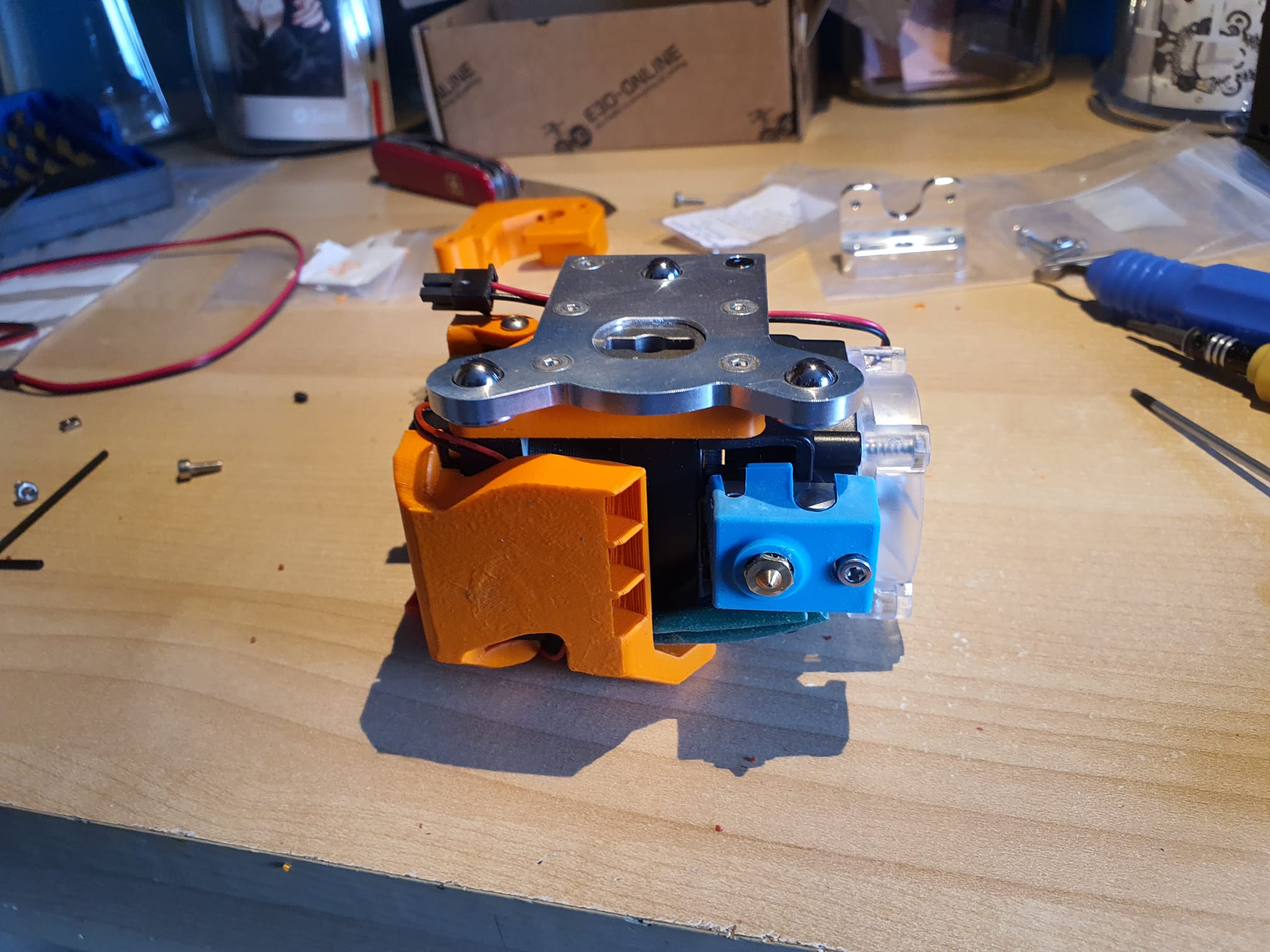
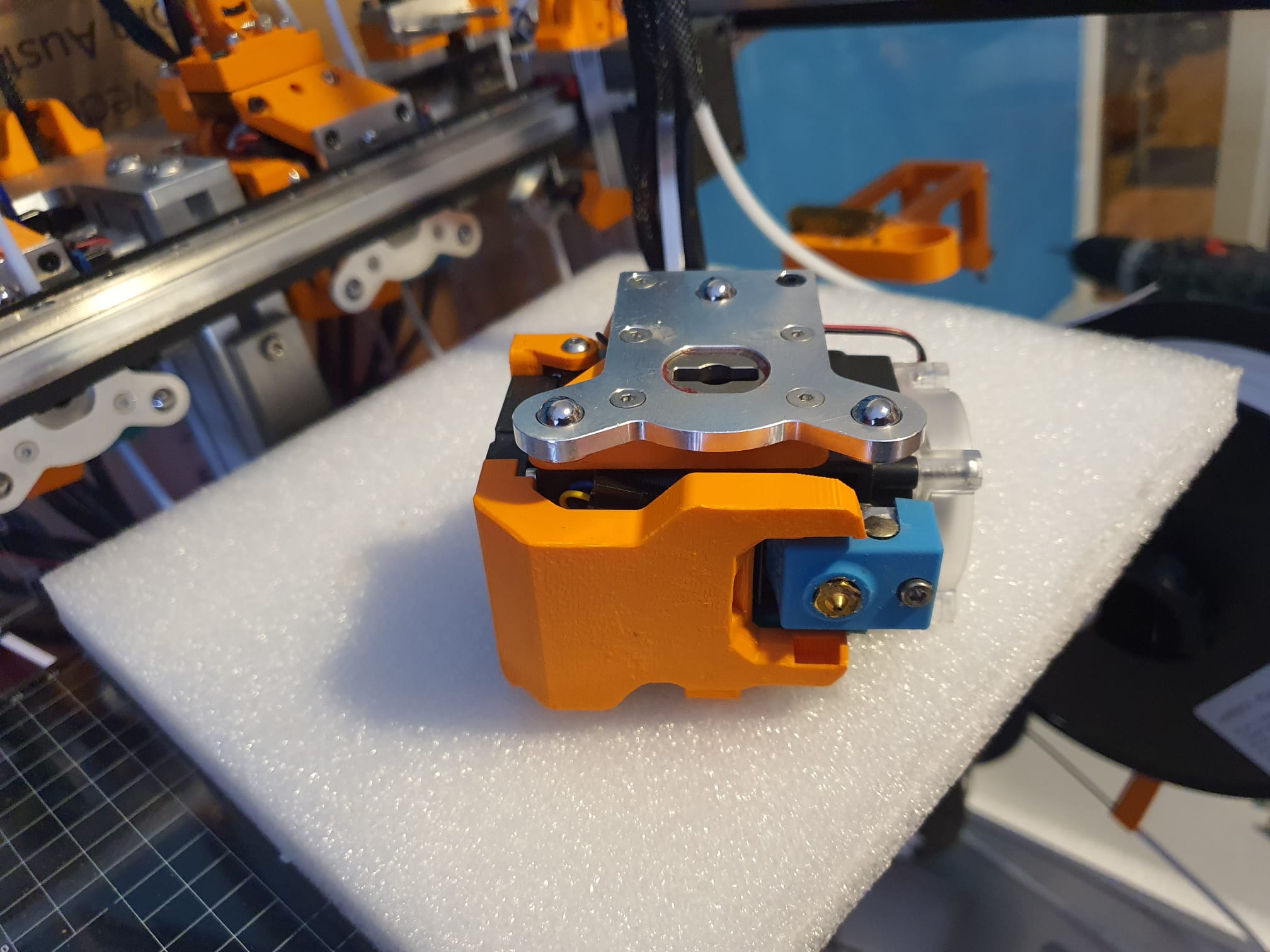
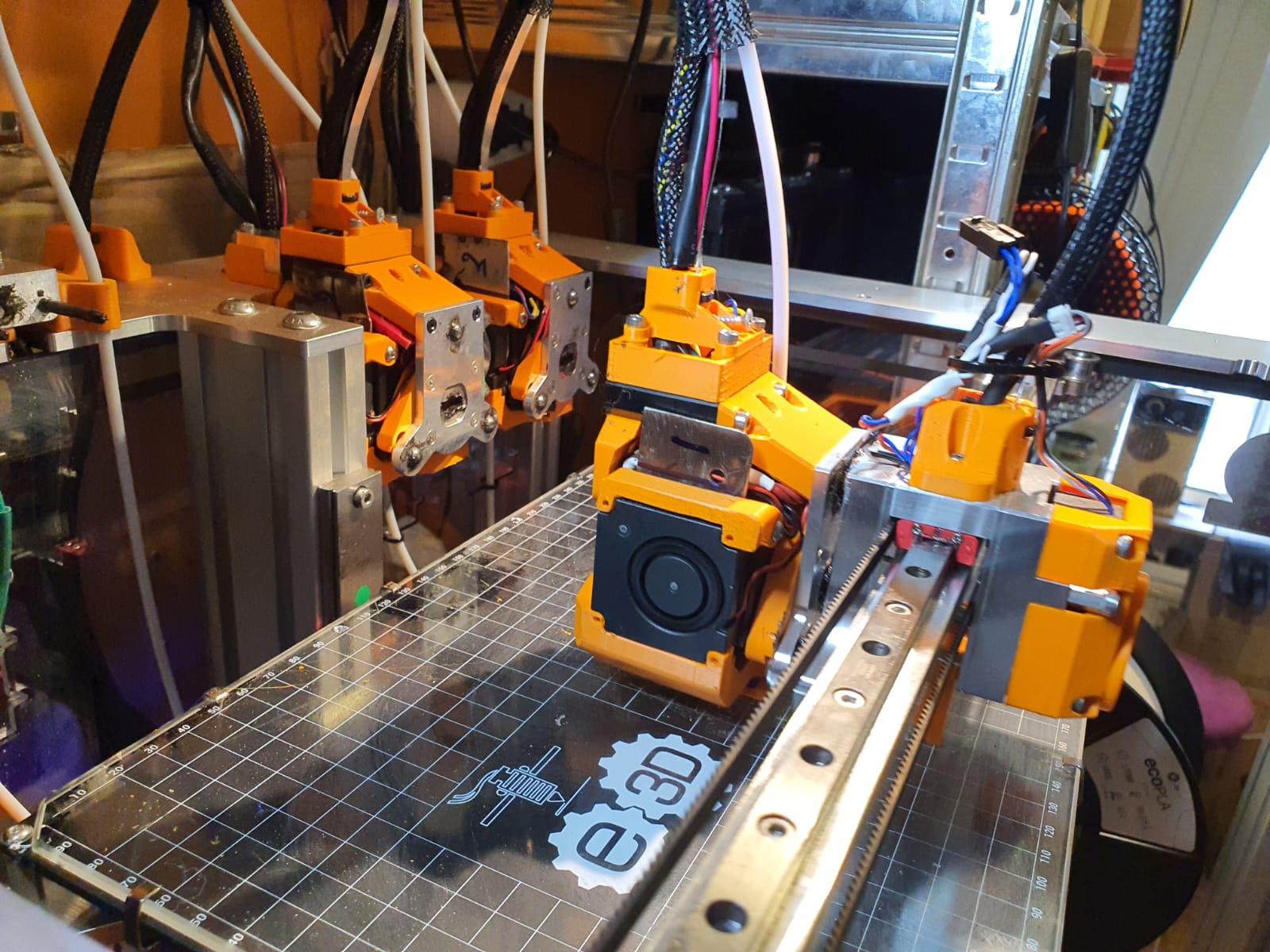
A big difference, the original object fan duct layout and the upgraded fan duct for the Hymera Direct Drive extruder/hotend combination!


A big difference, the original object fan duct layout and the upgraded fan duct for the Hymera Direct Drive extruder/hotend combination!


Above you can see the rough end result with which I have now (2022) already been able to travel a few thousand kilometers.
In the end it has been a valuable project.
Driving the TA is perfect, shifting up and down is smooth and the car behaves very well.
An important advantage of the new gearbox is that the engine makes far fewer revolutions when driving at cruising speed.

Above you see the overview of the donor long-stroke ID19 engine with the 4-speed gearbox.
At the time of purchase everything was still attached: brakes, suspension, shift sleeve, HD regulator, fuel pump, alternator and so on!
The water pump had already been removed by someone else.
The donor car had serious side damage and was declared total loss.
It was a pity but I was lucky with it.

The approach
The long flanges of the 4-speed gearbox have to be turned off on the lathe. From the ends of the flanges (gearbox side), bushings are turned which will sit in the turned off flanges.
This is necessary because the bearings and seals are not available in outside sizes that will fit into the inside of the shortened flanges without fail.
New bearings and new oil seals will be enclosed in the bushings in the turned-down flanges.
The shaft chucks will be turned down by about 1mm to a commercially available inner size for a bearing and seal. (35mm axle thickness)
The flanges are turned out by 3mm to allow the axle jaws to mount properly on the TA internal body shafts.
A stainless steel bushing is turned to allow the outgoing internal TA shaft to rotate tightly in the ID crown gear.
In other conversions, this bushing is usually not installed, but the lateral pressure on the end of this shaft without a fitting bushing becomes, in my opinion, too great to be able to drive it very long without wear.
The bushing has an oil groove on the rotating inner side.
This bushing is needed on 1 side of the donor ID crown wheel and is tightly crimped into the crown wheel.
The ID shaft rotates tightly in the ID crown wheel and is slightly thicker than the TA shaft.
The difference in thickness is corrected by the stainless steel fitting bushing.
The satellite wheels, internal bucket axles and differential housing of the TA are reused.
The satellite wheel (which of course fits the pignon gear of the ID box) comes from the donor ID box. Of course, after the conversion you have to determine the preload on the Timken bearings again and make new spacer rings to fit the whole with the correct preload in the ‘clock’ properly.
Measure the play of the crown wheel according to the workshop manual, and so on.
This solution is robust and will not break or wear excessively.
Controlling the gears was also an important issue for me, because the Traction Avant has a different standard gear change sequence and the known ‘conversions’ to 4-speed all have an extra button or lever to operate the reverse of the gearbox. I chose to convert everything so that a regular H-fork 4-speed + reverse operation is created:
· via the TA’s original shift rods – by converting the selector/levier in the cab – by doing a conversion on the gearbox with new shift rods ‘outside out’ from the control levers at the bottom of the shift tower to the original 4-banger controls.


Axles removed and further work on turning the flanges


Above is shown how I am turning the bushings for the flanges, here the new bearing and the new oil seal can be mounted.

Here the center has been removed from an old ID-19 clutch plate to serve as an extension of another fitting plate.
For convenience I have used a new TA plate for this purpose, an ID plate can in principle also be used but then the keyways must be in perfect alignment so that the plate can continue to slide freely over the primary shaft.
This action is necessary because the primary shaft of the 4-banger is shorter than the shaft of the 3-banger and the keyway of the shaft is just not far enough into the keyway of a standard clutch plate to be able to transfer the force to the plate without damage.


On the picture above you may not be able to see it very well, but the bushings are locked to the flanges with stainless steel screws/rivets so they can’t move or rotate.
Then the flange is turned off at the outside to make room for the convex protruding parts of the 10mm threaded ends of the axle clamps. this also all just fits.

Above you can see that the flange was not yet turned out….

To make the bearing caps fit, they were very carefully turned out to the size of the Timken bearings in counter arrangement in the lathe.


Above you see a turned-off flange with bushing, oil seal and bearing, mounted between gearbox and clutch housing

Next job: Extending the drive shaft to the pulley of the ID motor.
The lengthening of this shaft was necessary because I installed a long stroke ID engine at the same time as assembling the 4-speed gearbox.
The drive of this driveshaft on the crankshaft is slightly thicker than on the Traction engine larger and is slightly deeper recessed in the ID engine .
See photo below where the already prepared TA shaft is on top and the ID shaft is lower.


Above: Extended custom pulley shaft ready for assembly


Above you can see the center of the ID clutch pin with ID keyway from a scrapped clutch plate mounted on a new TA clutch plate.
The welding was done with the specially made fitting bushing from ID to TA size tightly pressed into both keyways, this bushing is only removed after letting it cool down completely slowly.
To ensure good adhesion, the welding was first done in CO2 and later grinded out in 3 places, the fitting bushing reinserted and welded again using MIG.
After that I had the welding work checked for swings of the new keyway in relation to the clutch plate.
Fortunately that was well within the norm.

Above the required fitting/shim plate of 4mm thick aluminum is shown as used to make the 100% fit of the TA clutch housing to the ID box.
The main advantage of this solution is that the satellite housing is also free from the inside of the clutch housing and you don’t have to worry about the differential running into the clutch housing.
The reason for this required adjustment is due to the fact that the position (in the longitudinal direction) of the drive shafts on the TA compared to the ID has just shifted by 4mm.
The semi-circular recesses where the flanges on the ID box fit in and where the original oil seals on the TA box fit in are not the same on the ID side versus the side of the clutch housing.
On the TA the shape is exactly the same on both sides.
On the ID box, the hole for the flange is 4mm shallower on the gearbox side and 4mm deeper on the ID clutch housing side.
With a fitting plate between the ID box and the TA clutch housing the non-round shape due to the lack of 4mm is compensated so that the purely round shaped flanges fit exactly in the (again) round hole.

I had to completely modify the scoops of the gear controls at the bottom of the shift tower so that the newly developed rods can be operated for the ID box.
It took some thinking and trying but this solution works great!
As you can see in the picture, the ID pulley only just fits next to the right-hand scoop.
By using this pulley I immediately switched to a narrower V-belt.
That meant changing the water pump pulley, and mounting a 12 Volt alternator.

Above is the 4 mm gasket plate in detail.
During the assembly process I used thin paper gasket on both sides of the gasket plate.
That turned out to be the only way to get everything leak free.

The switch rods between switch tower (left) and transmission levers (right) to the selector in detail:
Small additional challenge with me was that due to the installation of the ID engine and- associated cylinder head- the carburetor suddenly ran in the path of these switch rods.
Using a water pipe bender, I was able to keep the shift rods exactly clear of any fixed engine parts and it all just fit.

The gearbox without control rods mounted on the clutch housing.
If you look closely, you can see that here I still worked with the ID insert shafts, which I had shortened.
In the end, this solution did not work because the welded shafts kept breaking off at the weld.
In itself, this solution is possible, but then you would have to make (or have made) new shafts].

Above you can see the extension of the primary shaft by means of a bushing that comes on the primary shaft.
This bushing comes between the primary shaft and the top bearing of the crankshaft.
The goal is to keep the primary shaft from swinging.
The bushing in the photo was my prototype.
There are top bearings with different inner diameters in which the primary shaft fits and so here too practice was (again) my teacher.

Clutch plate in the (equally mounted) attachment ring of the newly installed diaphragm pressure group

And the entire pressure plate with clutch plate mounted and the keyway of the clutch plate protruding outwards

Clutch housing with M10 bolts for securing the flanges.
The M10 bolts are mounted through and through in the cheeks of the housing.
Previously I experimented with other solutions but with tapping, mounting bushings and the like I did not get it sufficiently oil-tight.
In the above manner with rings and gaskets it is perfectly tight!

This was a bit of a job: Making 1 new one from the donor parts of 2 differentials.
In itself not difficult when you think of what will fit:
Pinion from ID is used, so the satellite gear from ID must be used.
The outgoing shafts from the TA are used so the satellite gears from the TA must be fitted.
The thinner output TA shaft is placed in the satellite gear of the ID so a fit bushing must be pressed into the ID satellite wheel so the TA shaft can rotate freely but tightly in it.
The Satellite housing of the TA is used (bowl-side where the gears are) with the fixed (TA) shaft attached.
In the picture above you see the bottom left satellite gear with freely rotating output shaft.
Bottom right you see the bowl part of the satellite housing with the satellite gears and fixed output shaft.
The original TA differential works with bucket-shafts with keyways on the outside on which the TA bucket-shafts can be mounted externally.
The advantage here is that this allows you to easily replace the large retaining rings of the TA box.
So in the photo above, the bottom differential is the TA differential.

Above: Finished and assembled differential. You can see the fitting bushing sitting nicely

Above you can see the made fit bushing with oil groove on the free turning inside.


Timken bearings tighten but not too tight….


Converted switch selector/levier, in the experimental phase.


Turn shaft chuck to commercially available bearing size

And the turned down result of the axle claw of the TA with inner splines.

Mounting Bracket.
I chose a very robust setup, since the motor/box/drive shafts are all suspended from this point.
In addition, I chose to simply reassemble the cross pieces of the drive traverse to maintain sufficient strength.

Please note above: On the underside of the flanges, I have ground away about 2 cm of material on both sides.
This is because these points protrude from the original TA body.
This means that they come up against the cradle just above the passage of the drive shafts.
So I had to remove some material. I can’t remember the number of times I have assembled and disassembled the gearbox, but at least it was so many times that I can now do it blindly and very quickly.

Above again the removed material: Handy to do BEFORE mounting!

Bearing for the axle claws. I heated this part in the oven at 60 degrees before final assembly.


Ready.


Shifting axles. Left the up/down movement of the shifter and right the left/right movement….


Picture was taken during assembly: nut still tightening and all.
At the bottom right you can see the sensor of the cruise control hanging away.
The magnet is placed under the nut, which is still loose, with a bracket so that the sensor can see it at every turn.


Above the modified spoons from the bottom of the switch tower.

And the final result!

EV-battery types and their basic differences:
NMC532, NMC811, NCA, solid state and LFP
Due to growing demand of raw materials, required to produce large capacity batteries for electric vehicles, prices are rising and the development of batteries that require less expensive materials is growing.
Lithium-Ion is almost always the basic component for existing EV-batteries.
The way that the current is brought to the Lithium is via a cathode and an anode. The used materials for these cathode and anode differs, and this has great impact on stability, life span, kw/gram thus maximum current and deterioration behaviour of the batteries.
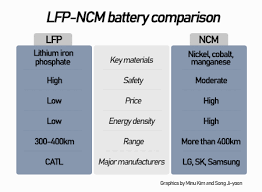
LFP batteries
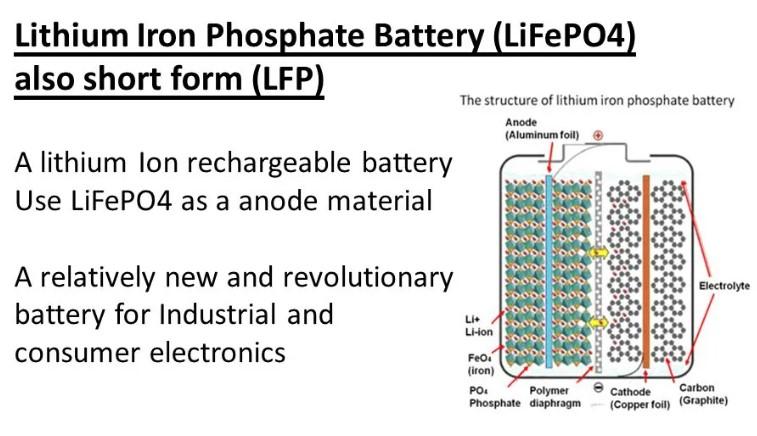
Recently a new type of battery has been developed, using another type of materials for the anode and cathode than NMC batteries:


The lithium iron phosphate battery (LiFePO4 battery) or LFP battery (lithium ferrophosphate) is a type of lithium-ion battery using lithium iron phosphate (LiFePO4) as the cathode material, and a graphitic carbon electrode with a metallic backing as the anode.
LFP can be cycle-charged to 100% at least 2000x.
But LFP batteries (and -by the way- NMC532 as well) are less compact than NMC811 and NCA batteries. That is because LFP batteries have less electrical capacity per volumetric unit than NMC811 and NCA batteries.
The result is that smaller to medium sized cars will not be able to carry more than an 50-55 kWh LFP battery pack.
It is expected that LFP batteries will become cheaper than NMC type of batteries in the long run because iron phosphate can be made without material availability restrictions, while the required raw materials for NMC and NCA batteries will become even more expensive over time.
NMC (or NCM) and NCA batteries
The mainstream of Li-ion batteries, however, is currently NMC (and Tesla’s NCA long range and LFP standard range), with different types of battery composition.
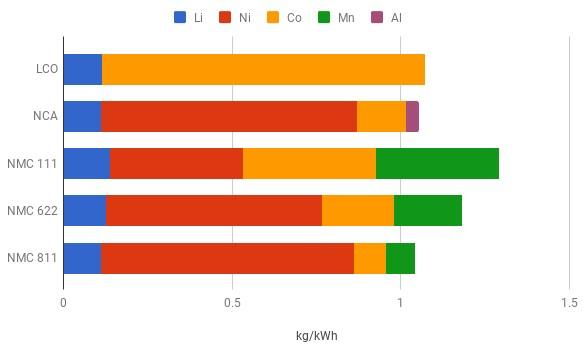
Tesla’s NCA development of batteries for the Tesla3 long range and new Tesla model S long range types has its own kind of composition for the batteries as is also shown in the below raw materials overview:

NMC811 batteries
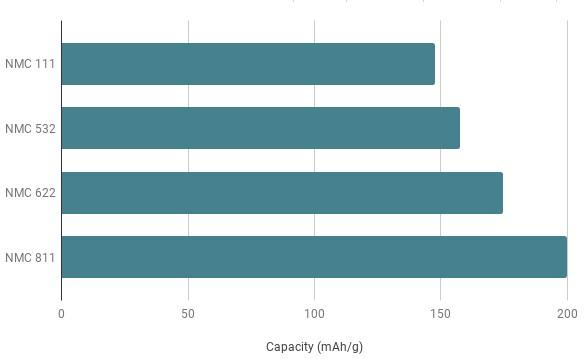
The latest development within the NMC type of batteries is NMC811, which has more power in a smaller pack but requires a very strict producing method and a very tight Battery Managment System.
NMC811 batteries will deteriorate quickly if they are repeatedly charged at their max power capacity and it is recommended to charge the battery pack as little as possible above 80% of its maximum capacity.
And- it is recommended to only charge to maximum capacity when the charge will be used immediately after charged. For instance when a large trip is made, before heading off and in between the trip.
NMC811 has a maximum full charge cycle of 200-300x, when performed according to the recommendations. This might be the main problem with these type of batteries, but in practice it might mean a lifespan of over 8 years. Provided that you only charge to 100% for the holiday trips.
NMC811 makes it possible to equip a small/medium sized EV(SUV) like the MG ZS EV (2022 version) long range with a 74 kWh NMC811 battery pack.

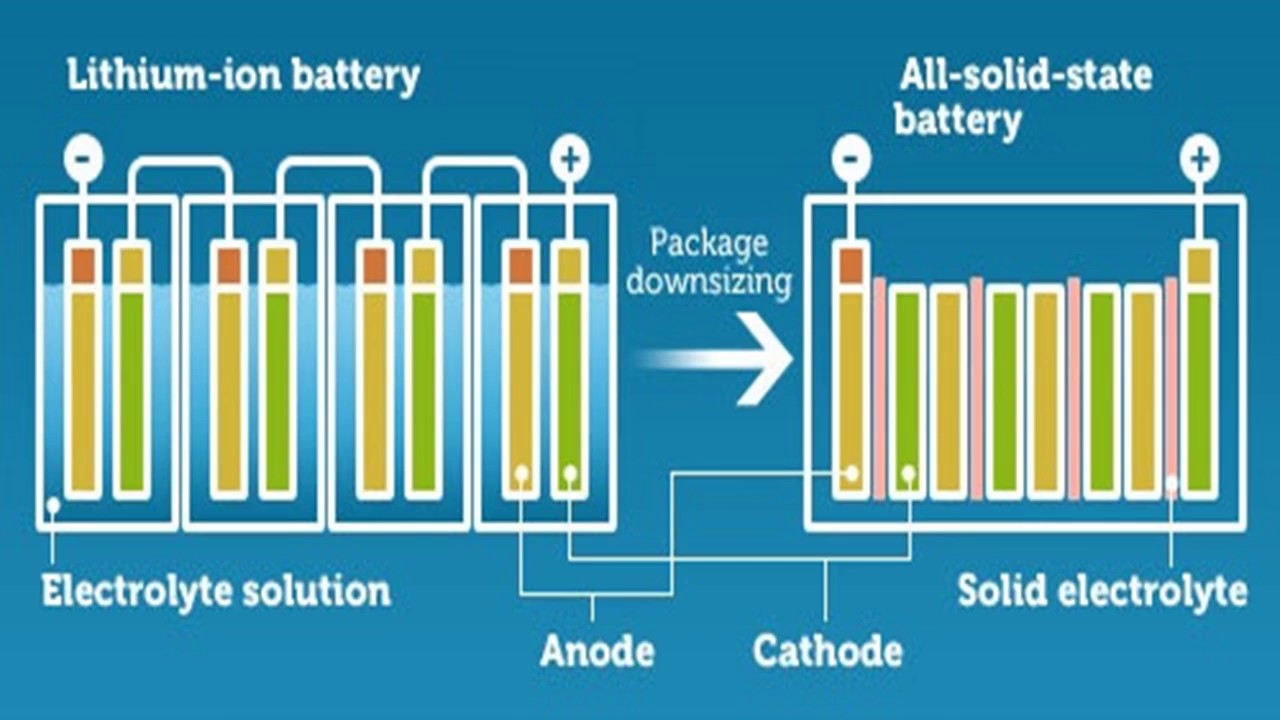
Solid state batteries
Solid state batteries are also becoming available, and these batteries provide the best performance in a similar – or possibly even smaller build volume than NMC811 batteries.
But Solid state batteries are still quite expensive and are not commonly available.
Toyota is one of the main developers of solid state batteries and will equip their hybrid cars with these batteries.
It will be interesting to find out wether solid state batteries will outperform the older//existing type of batteries in the long run, since hybrid cars make maximum use of the charge/recharge cycles.

Summary
For small EV’s, LFP will be the best choice. (less range required, usually city cars. USP of LFP: 2000+ times possible to chargecycle @ 100% full capacity.
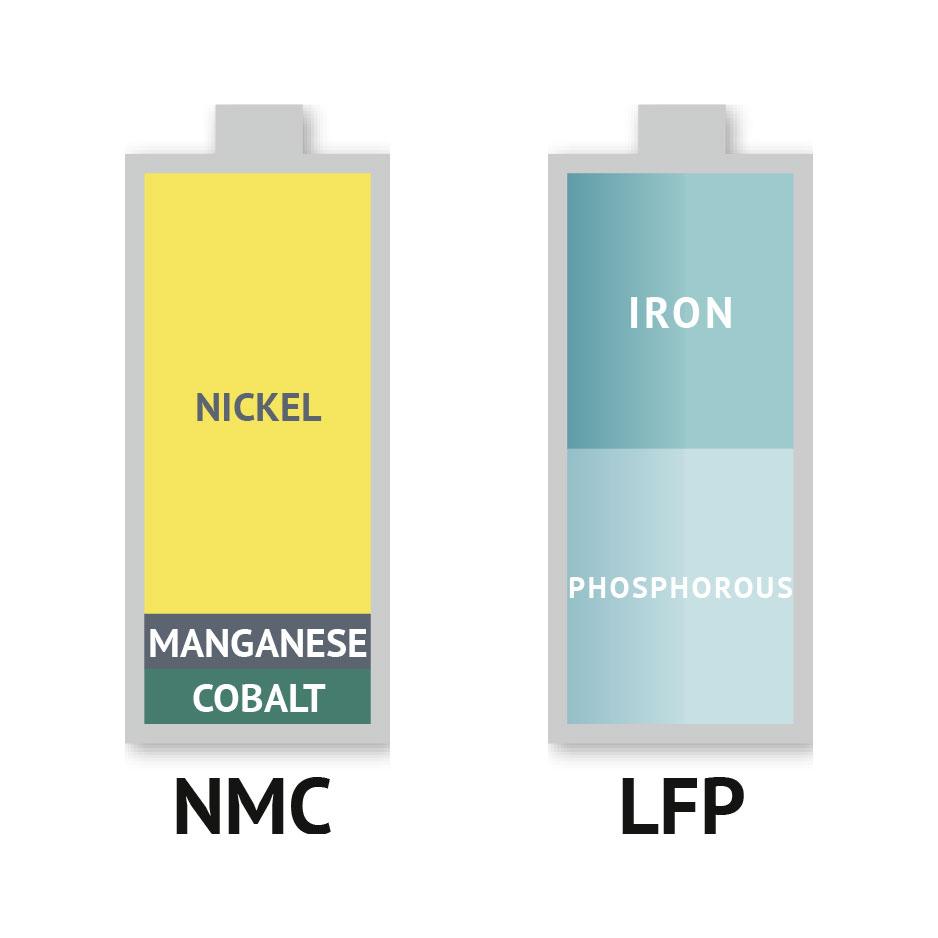
For the mid-to higher segment, NMC811 and/or NCA will be the best fit. USP of NMC811: more capacity makes longer range possible, with requirement of a very good BMS. Due to less usage of expensive materials in NMC811 (less cobalt&manganese) the price for NMC811 is within affordable range.
For the highest segment EV’s, solid state will be the best option. Solid state is more expensive, smaller, more capacity, recycling to full power is no problem.
For Hybrid EV’s either LFP or solid state can be applied, but not NMC811.

If you look at the current rules for noise and noise pollution from motorcycles, it seems like a jungle that you can’t get through.
What is clear is: If you do not meet the noise standard, there is a chance that your motorcycle will get impounded OR your registration of the bike gets invalidated and you will no longer be allowed to drive on public roads.
Noise and older engines
For older engines it is in usually not known what the maximum noise allowance in dB(A) is.
This does not mean that you can produce an unlimited level of noise.
Therefore, general guidelines for this type of vehicles have been drawn up y the Dutch government.
The cylinder capacity of the motorcycle is leading in those guidelines.
These sound values are of course always dependent on engine revvs.
For example, in the Netherlands the sound of engines built before 1960 should be measured at 2000 rpm (4-stroke) or 2250 rpm (2-stroke). For motorcycles built after 1960, these rpm’s are respectively 4000 and 4500. For a Harley, at 4000 rpm it is actually only possible to stay under the standard of 106dB(A) with well damped exhausts.
Measuring motorcycle noise by the police
The Dutch police measures sound output stationary.
The microphone is placed at 50 cm from the exhaust mouth at an angle of 45 degrees (may deviate 10 degrees).
The rpm sensor is placed on the spark plug wire. If that is not possible the police measures the pulses of the ignition coil.
The RPM is entered into the measuring equipment.
The law-enforcer then turns up the gas three times and the highest noise level counts.
Just to average: If you get above 110 dB(A) with a heavy engine at 4000 RPM, it costs money.
An after market exhaust may (according to the rules) not produce more sound than the original exhaust.
But in practice, especially in the past, many open exhausts were sold and mounted.
And with such exhausts it is impossible to get below the legal noise standard with any kind of dB-killer.
And now what?
If you want to avoid all this misery, it is better to make your exhaust system meet the required test standard or at least the standard that applies to your bike.
This can be done in various ways:
My solution for less noise:
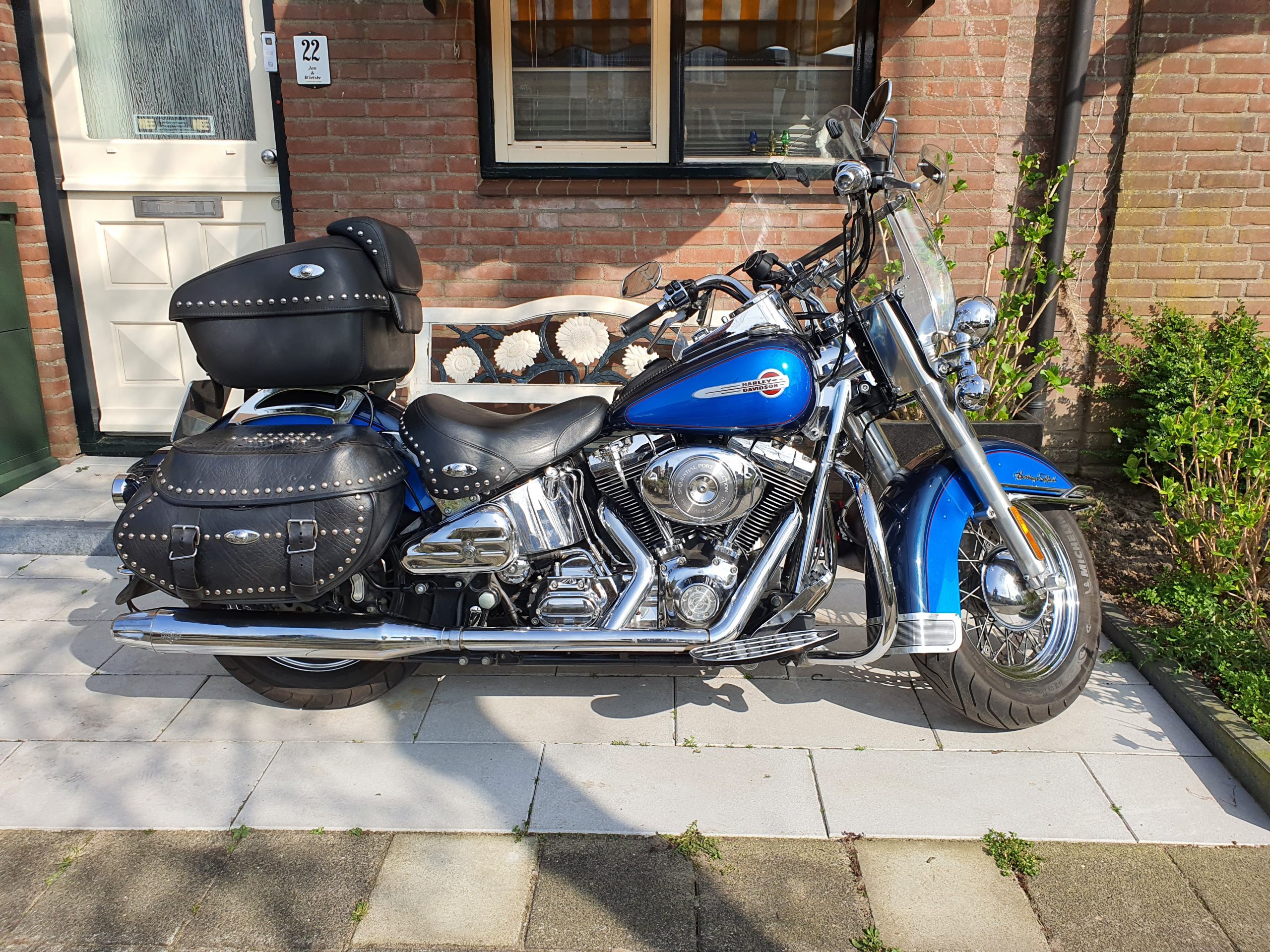
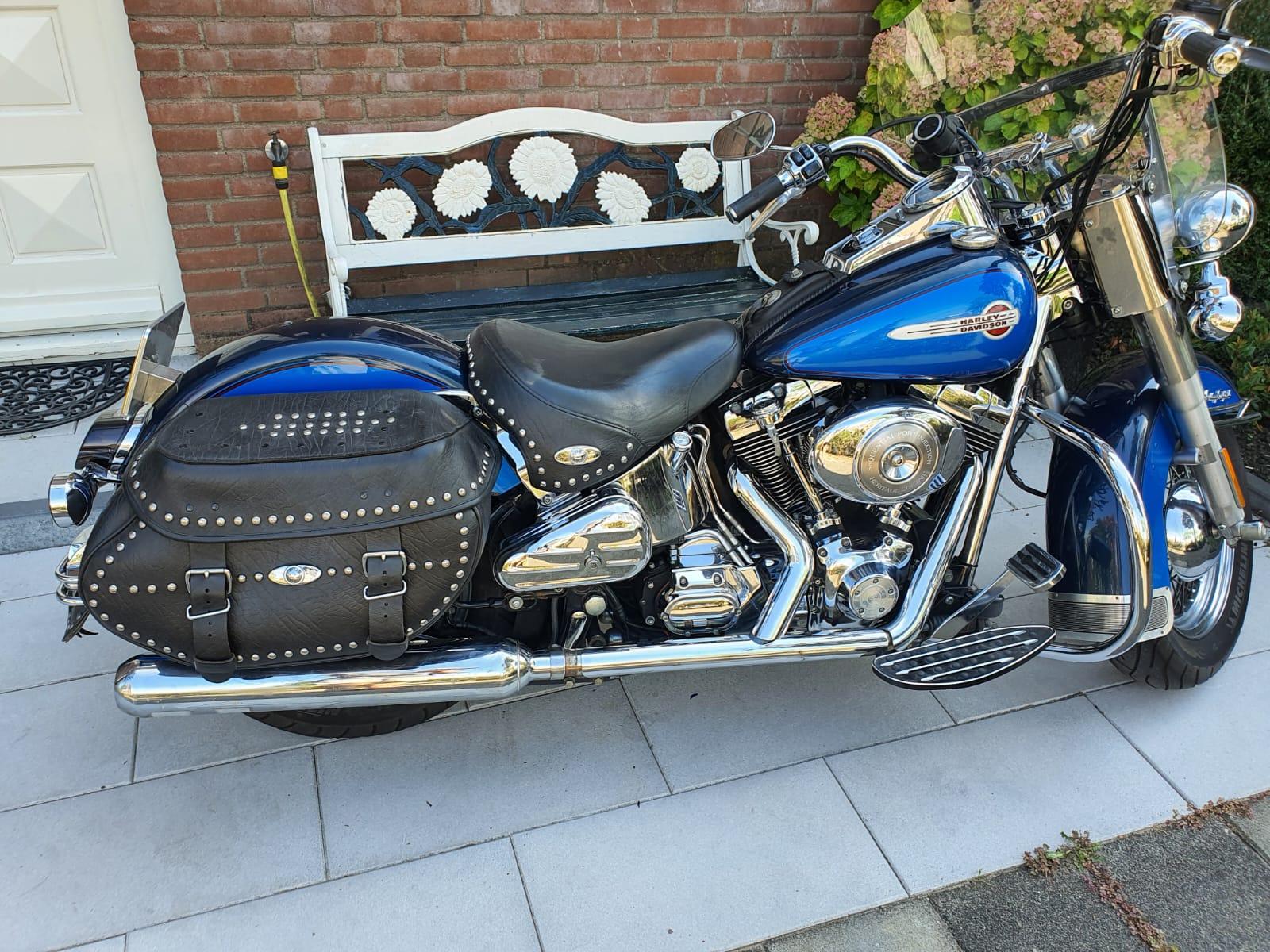
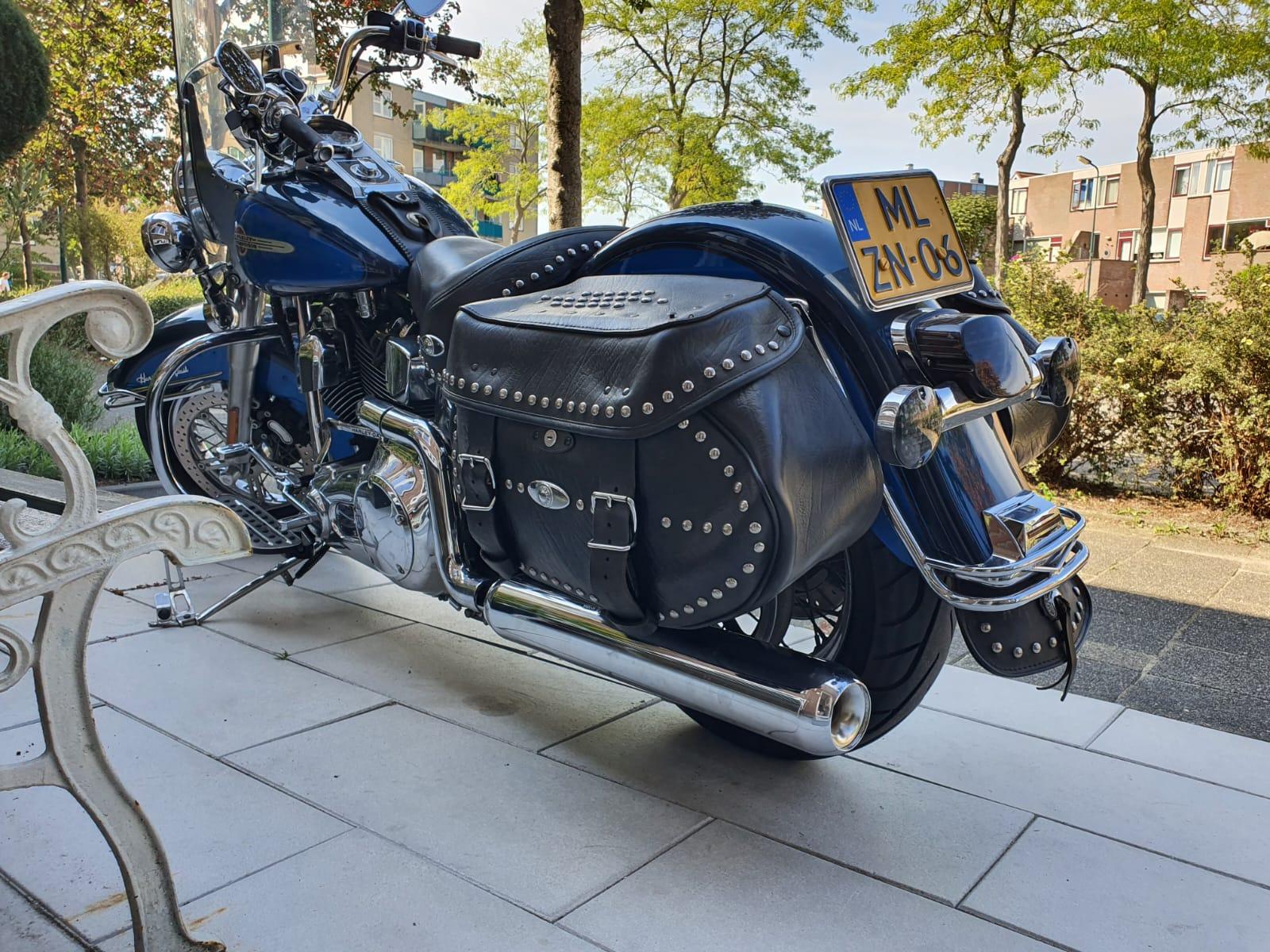
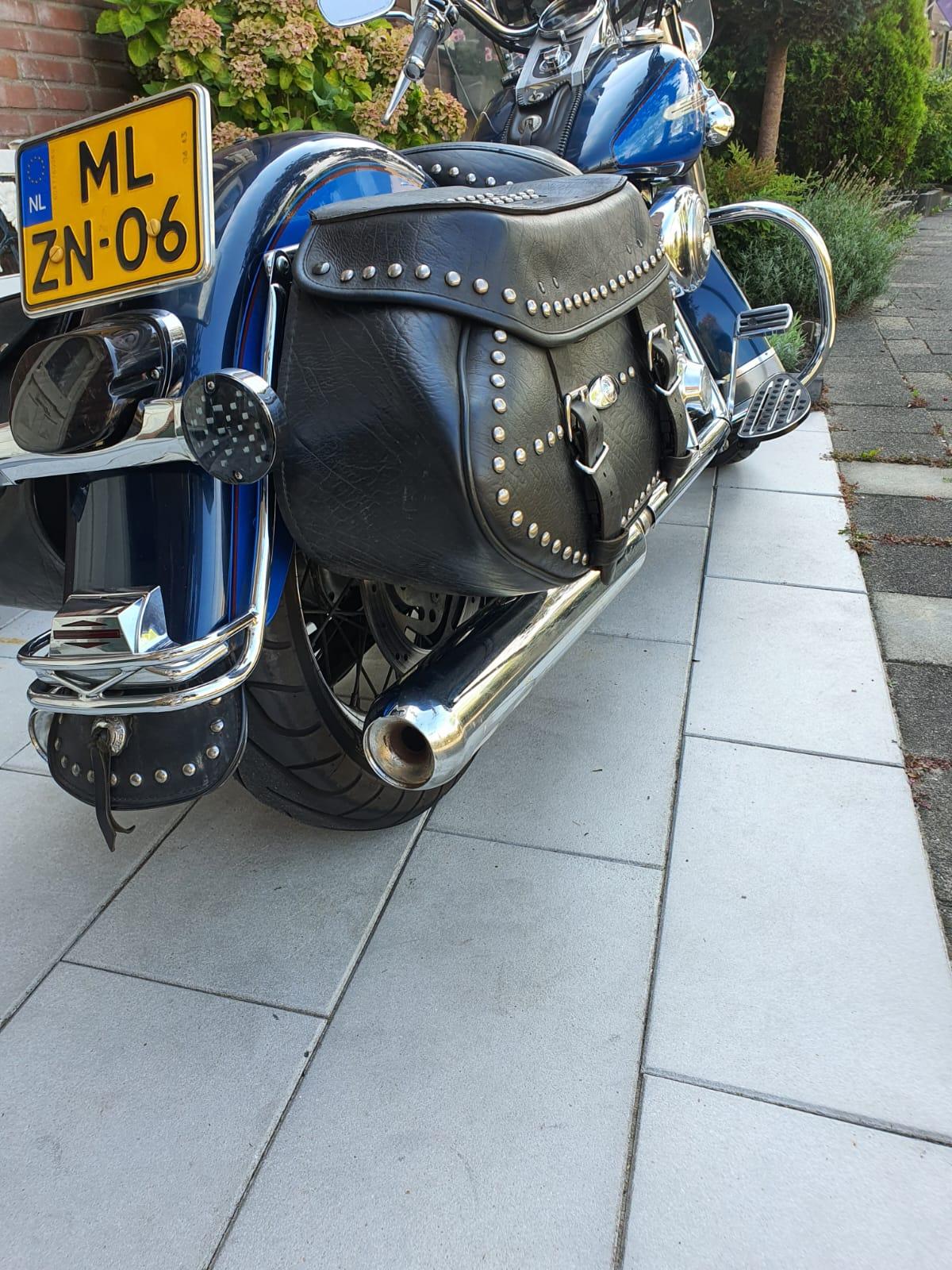
My 2004 HD Heritage FLSTCI originally had European approved exhausts with E4(NL) approval when delivered.
But when I bought it in 2019 it had an aftermarket ‘real dual’ V&H eliminator 400 open exhaust system mounted without baffles:
I tried reducing the noise by mounting an original baffle set from V&H with silenced baffles, including a damping pack with fiberglass mat, rolled up around the baffles.

Then I mounted everything and indeed much less noise, but above 1000 RPM still much more noise than the allowed 106 dB(A) as stated in the licence papers of the bike.
So, this did not solve the noise level in the end.
Final solution
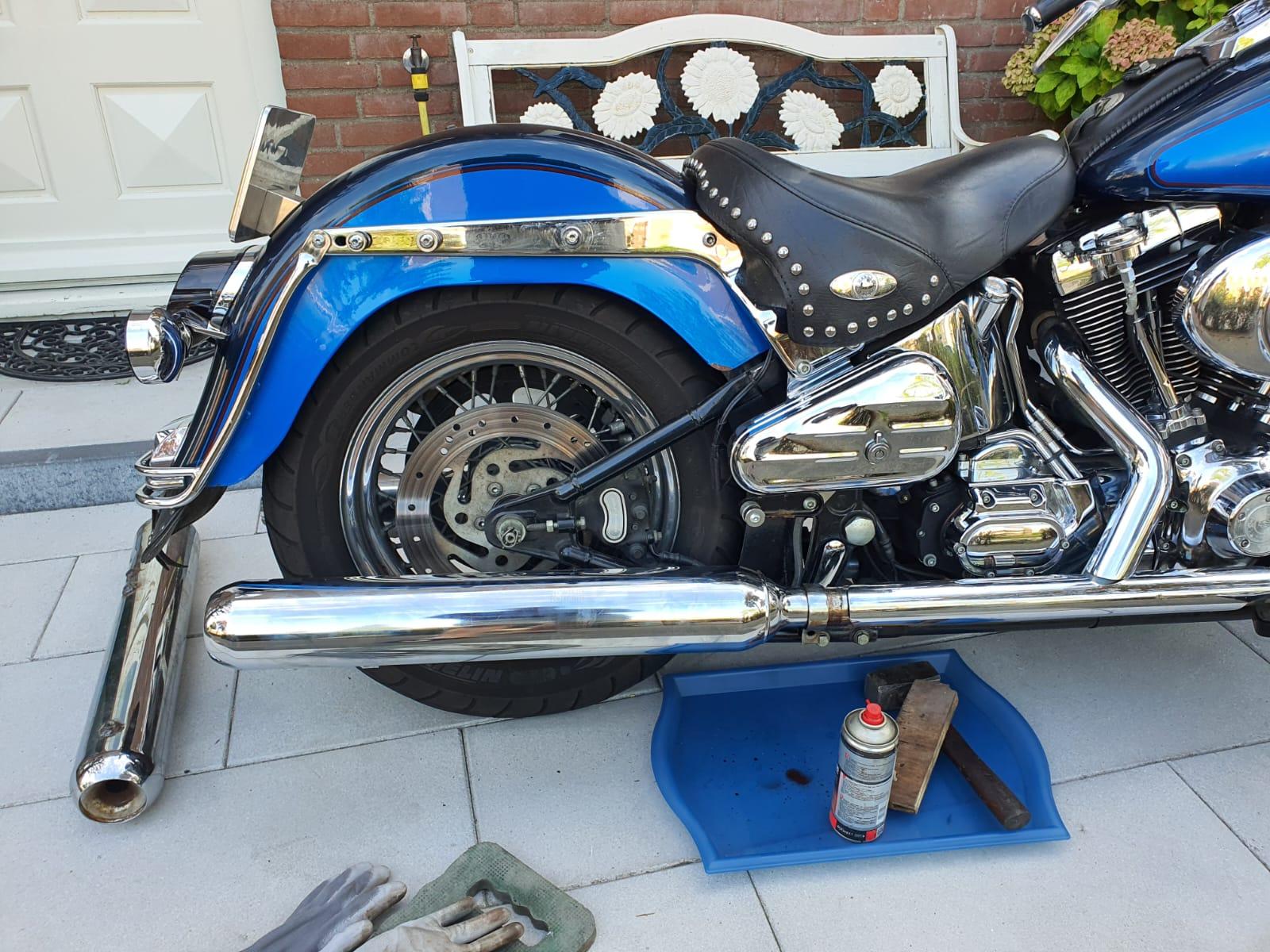
Finally I was able to get my hands on a used set of original HD cruiser exhaust silencers, one of E1 (German origin) and one E4 (Dutch).
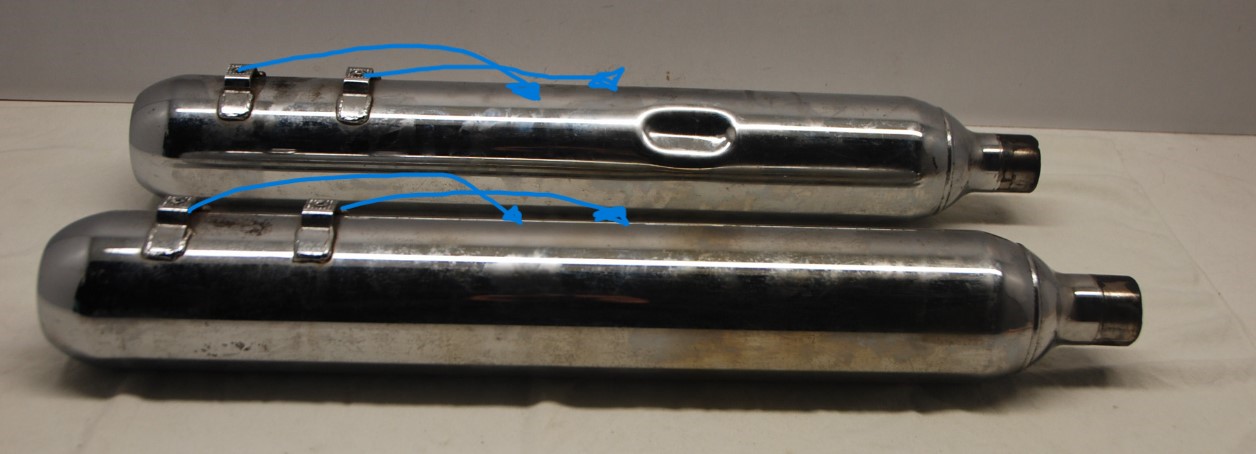
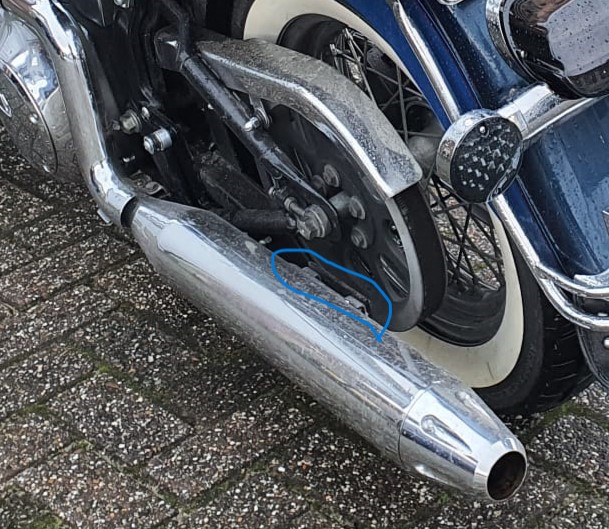
These I will mount, even though the mounting brackets have to be moved on the silencers.
Many of these silencers have been intentionally demolished internally, so you should be careful what to buy!


Below the existing mounting points of the Vance&Hines Eliminator 400 brackets and mufflers are shown:


In the end, the solution to my intermittent on/off problem with my toolfans on the Hymera direct drives was extremely simple.
The picture shows the solution, as the Hymera stepper driver obviously interferes with the 40mm fans. The problem was that these fans 2,4,6 and 8 not always started spinning.
I tried to exchange the fans which did not help, tested the Voltage, current , settings and so on. Everything appeared to be OK.
Strangely enough, when testing the fan off the Hymera tool, even including the duct attached, everything woked fine. Just did not work when mounted on the Hymera.
Finally, Just trying some things, I pushed a thin steel plate (NOT RVS) in between the fan and the stepper motor, and now it always works, even at 5% PWM! Problem solved!
After testing at all tools, I made 4 better fitting thin plates and mounted these at the 4 tools and no problem exists anymore, ever since!

The toolhead stepper of my E3D toolchanger system suddenly broke down.
The cause was a failed tool pickup move, due to which the rotating axle of the toolhead pickup system got blocked.
After exchanging the stepper I changed the Duet’s settings so the C-drive will not be able to generate too much torque.
This will prevent the last teethed wheel to break whenever the driven pickup axle gets blocked under extreme circumstances.
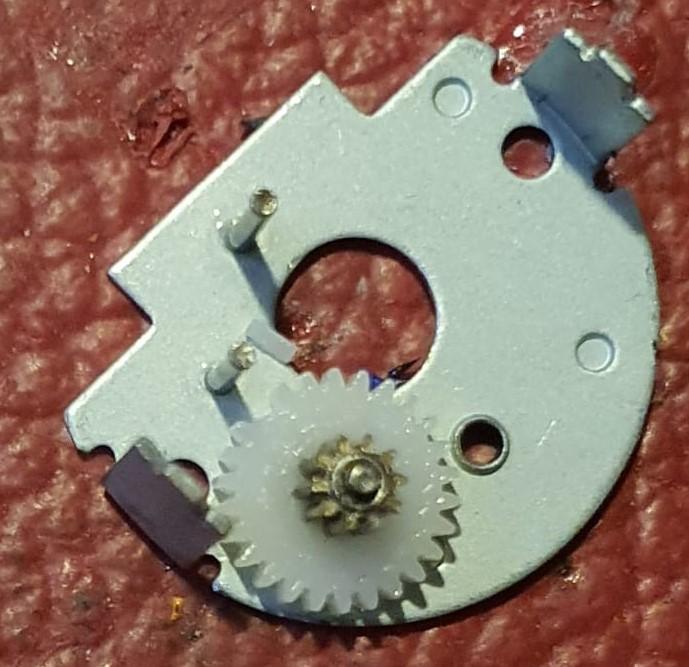
After opening the case of the failed reduction box, I discovered 1 broken tooth of the final gear.

I ordered me a new one, and mounted this. And I changed the C-drive’s settings to make use of the stall mechanism. It took some tweaking to get this to work properly. After all, picking up a tool must still work as this is the base intention.
All is OK again!
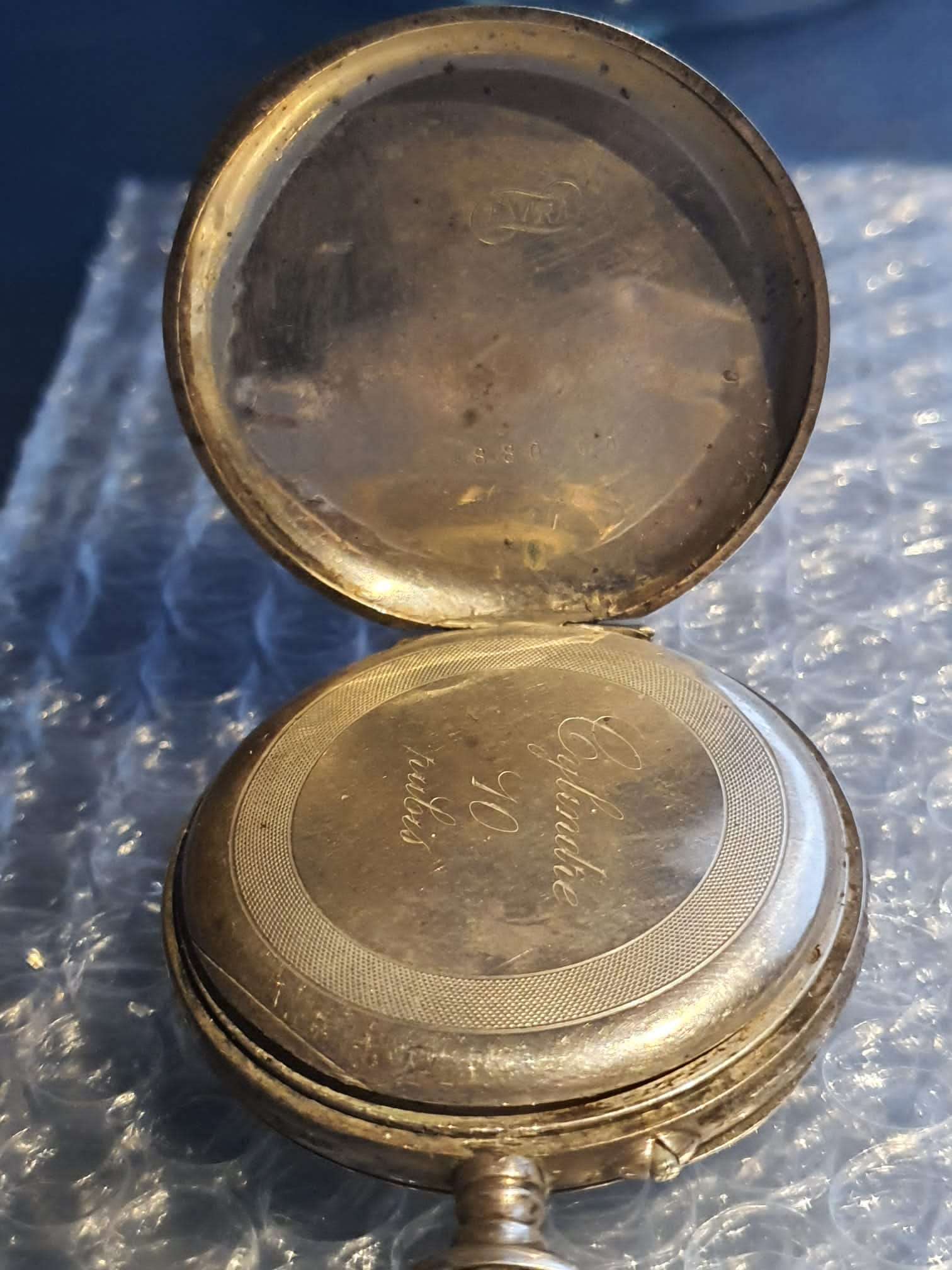
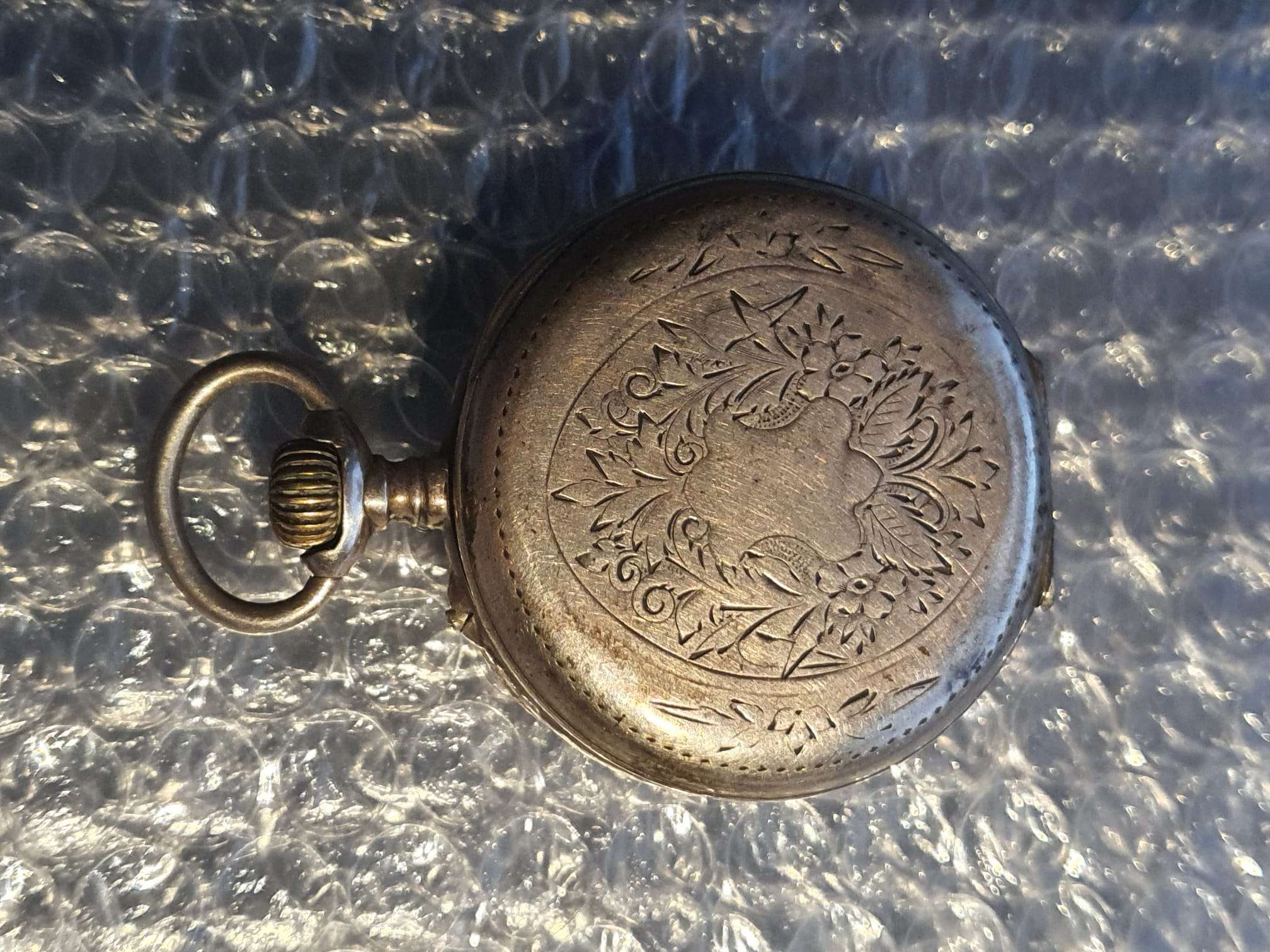
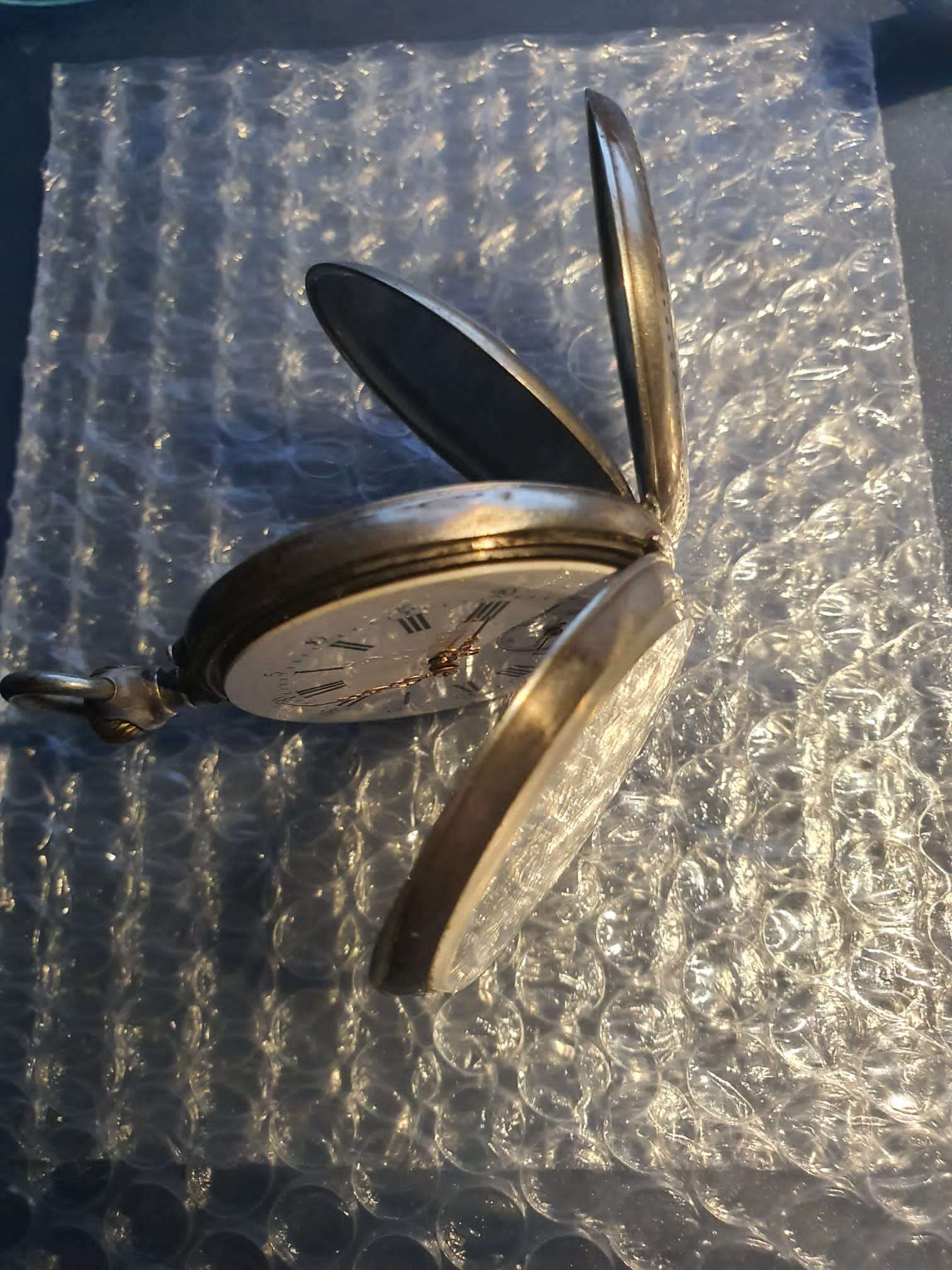
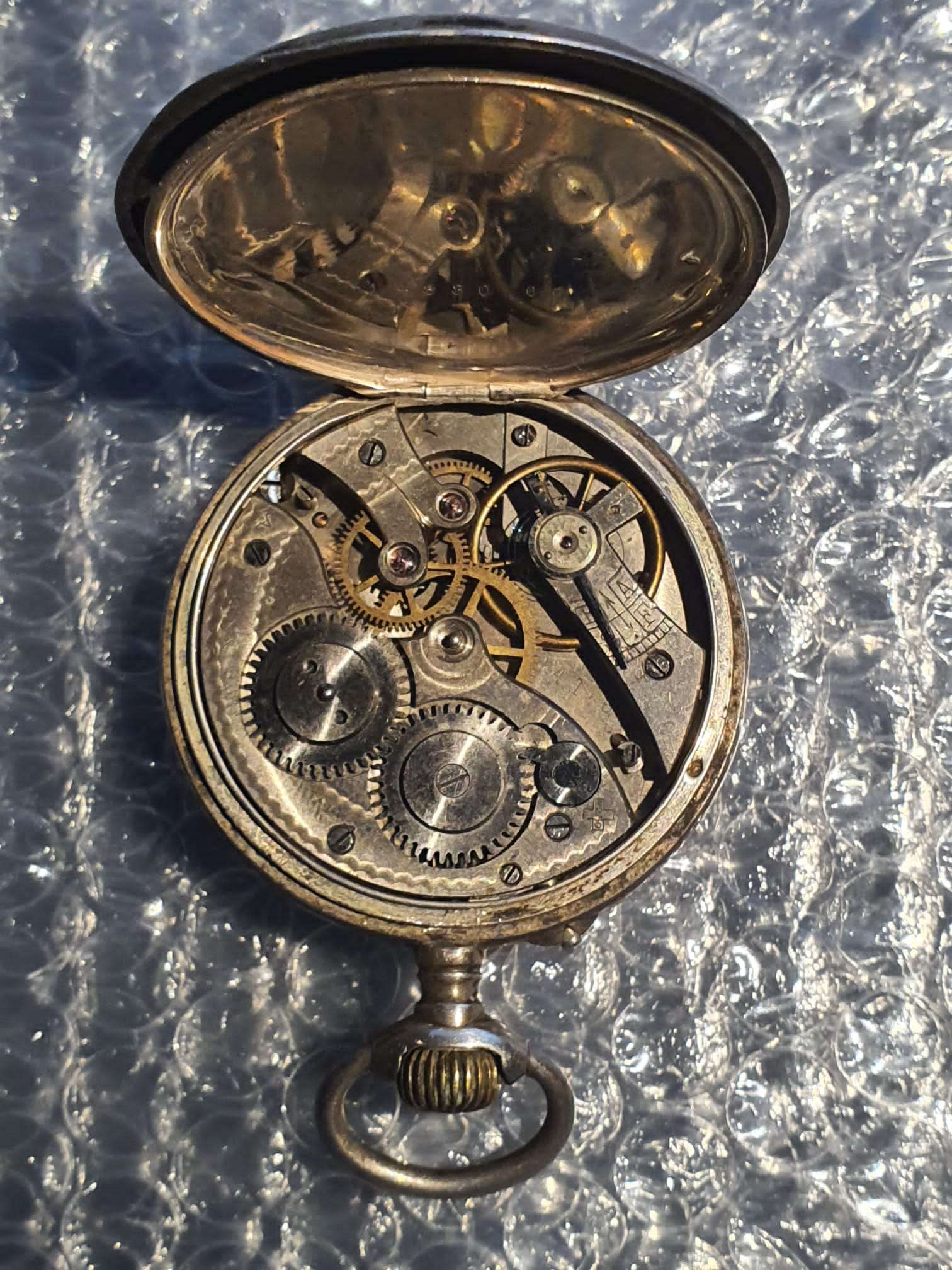
Pocket watch ‘Cylindre 10 rubis’


I bought this watch on eBay, state to be a pre-WW2 pocket watch.
It does not run and the main spring appears broken.
But- it is in a repairable state and everything moves easily.
Most importantly- it has not been tampered with.
In my search for similar watches i could not find any with identical inner mechanics, all watches that appear to be alike have different gears and so on.
I will update the repair later.
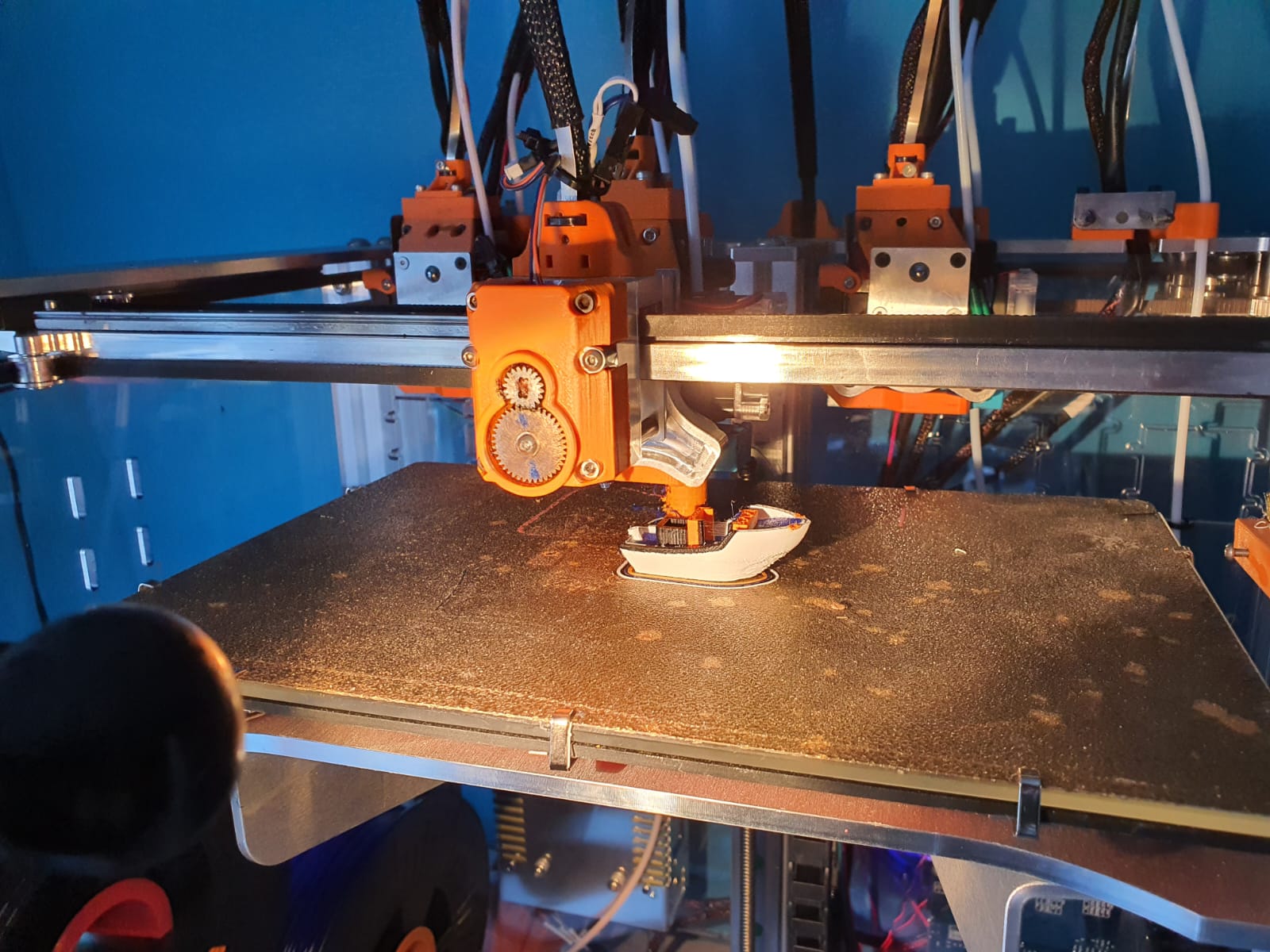
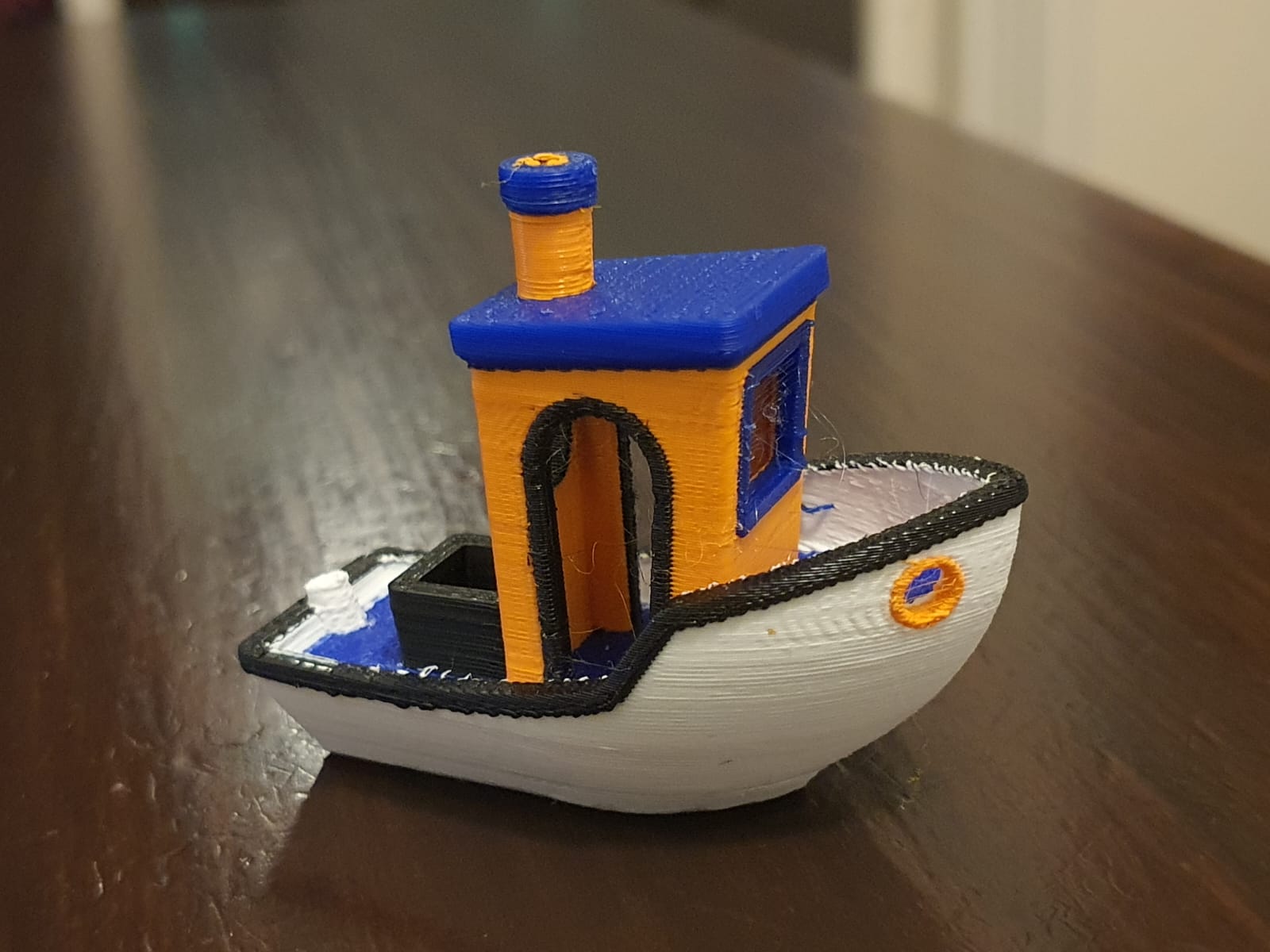
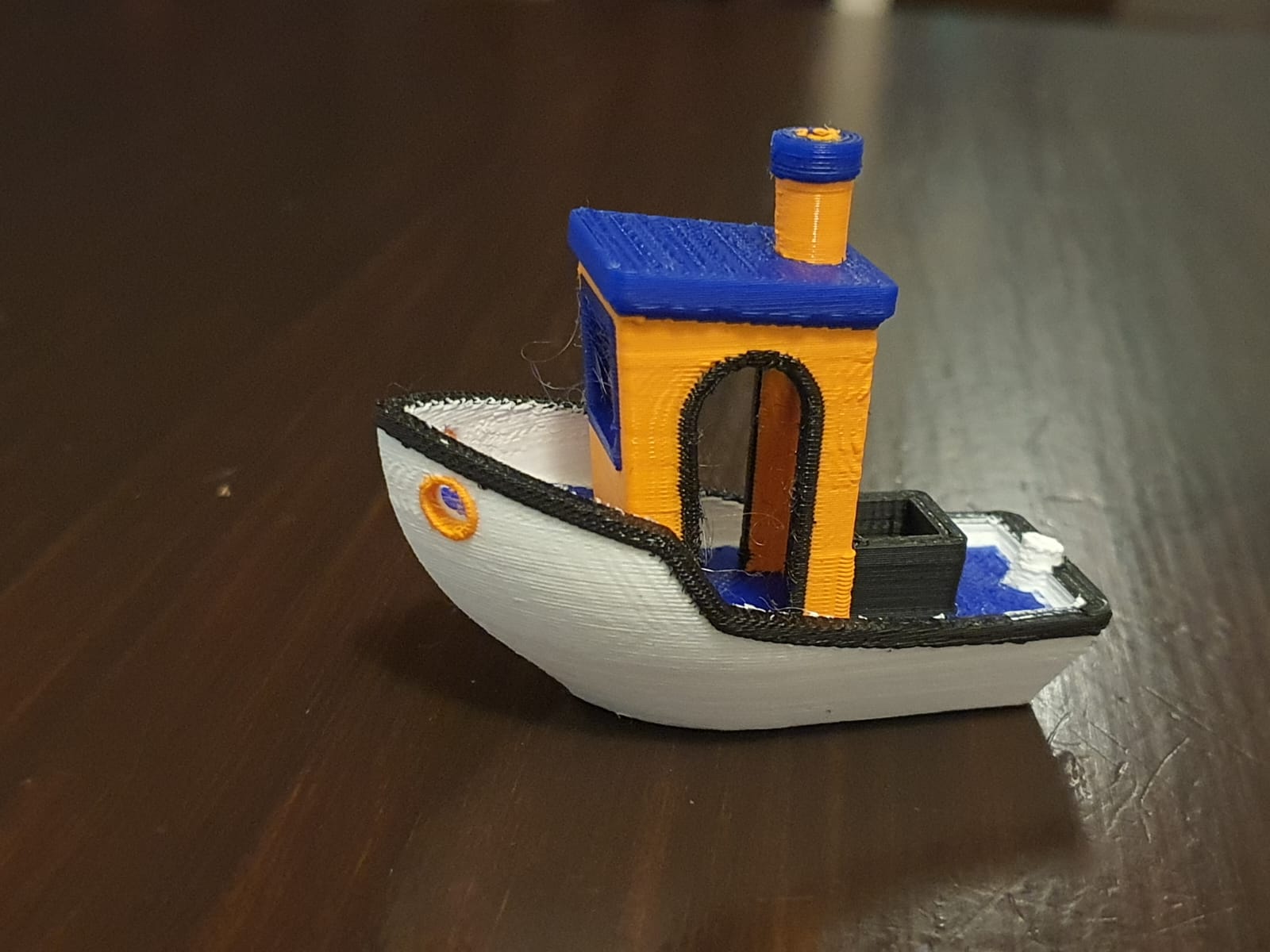
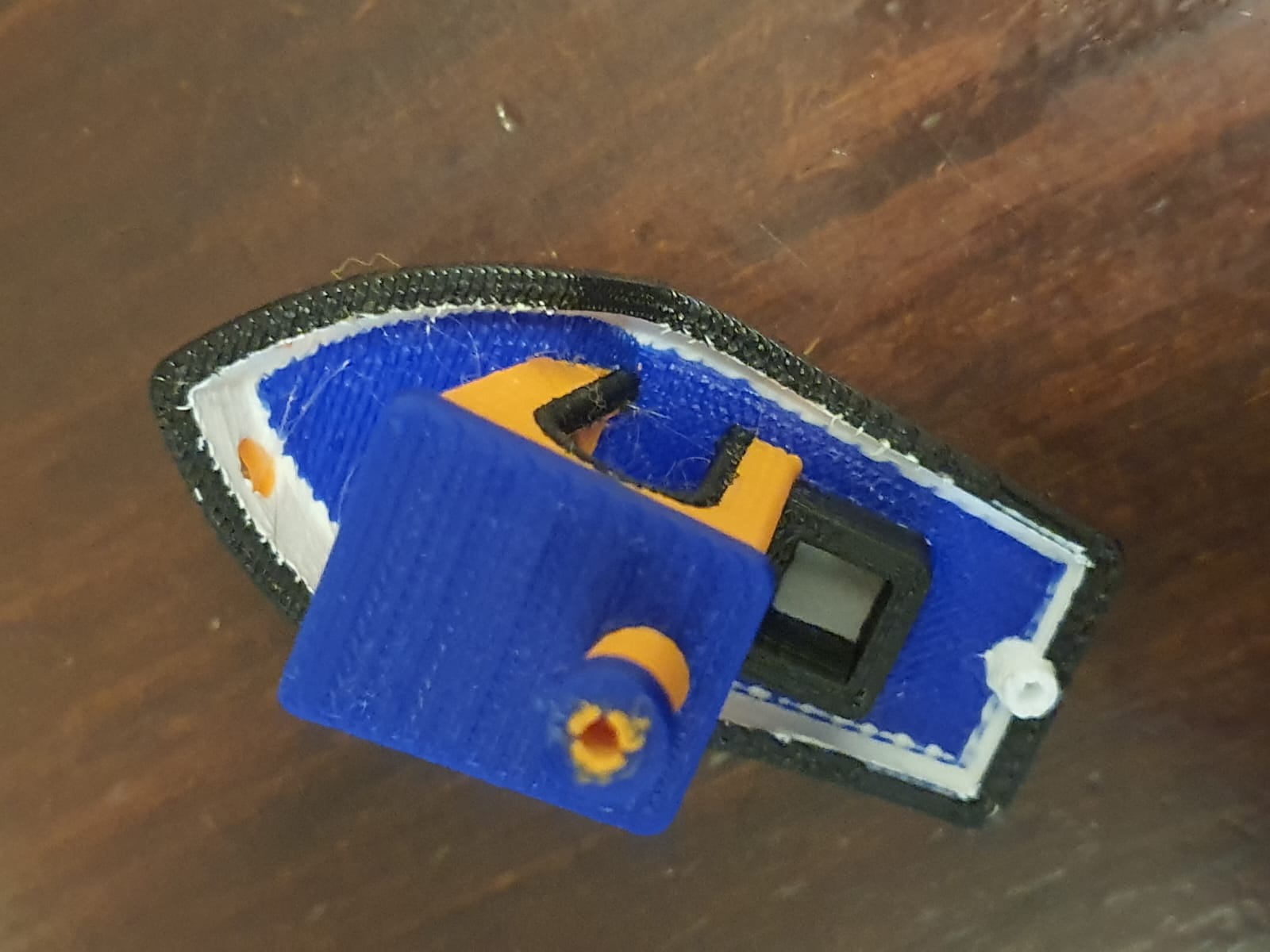
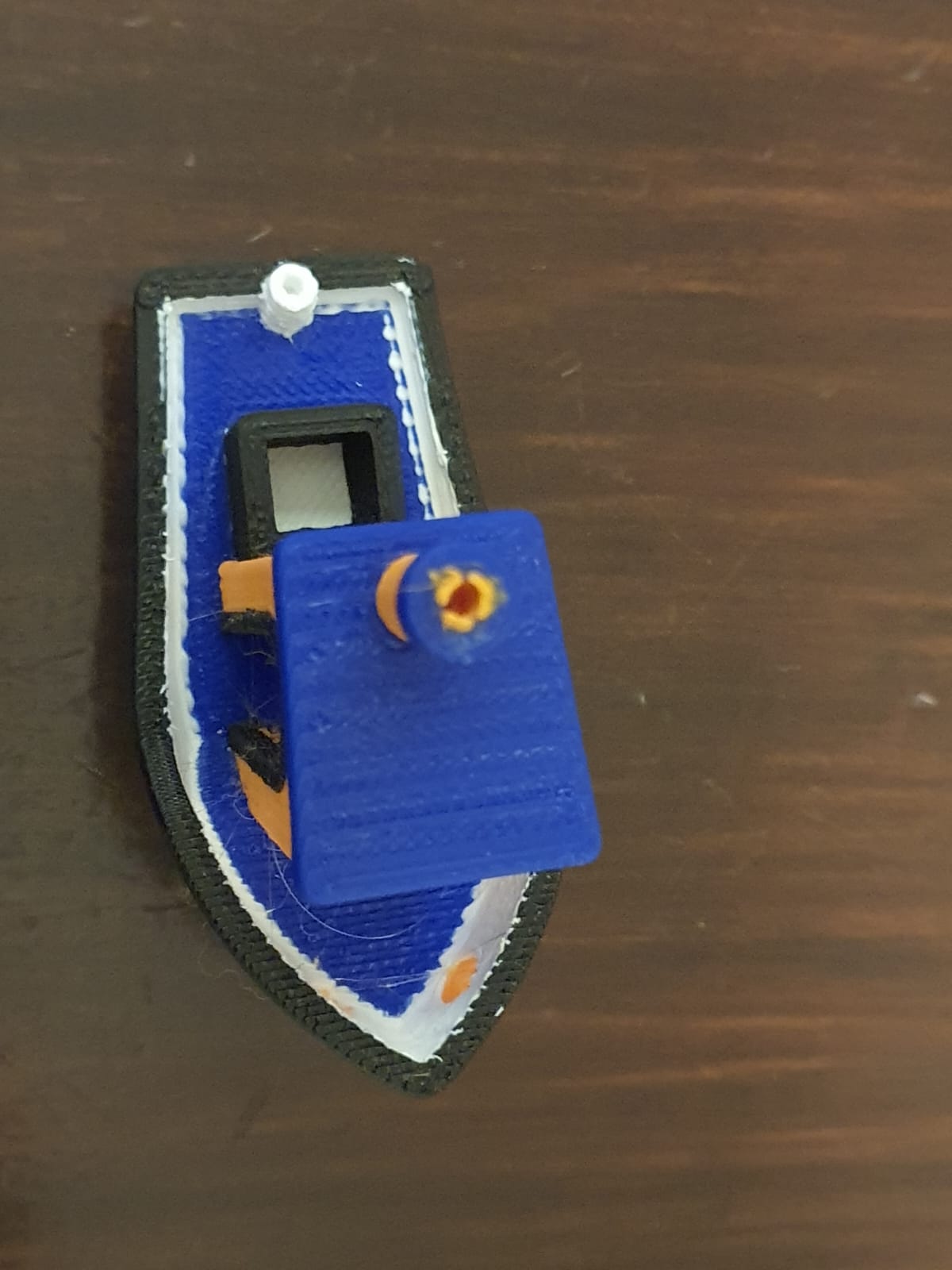
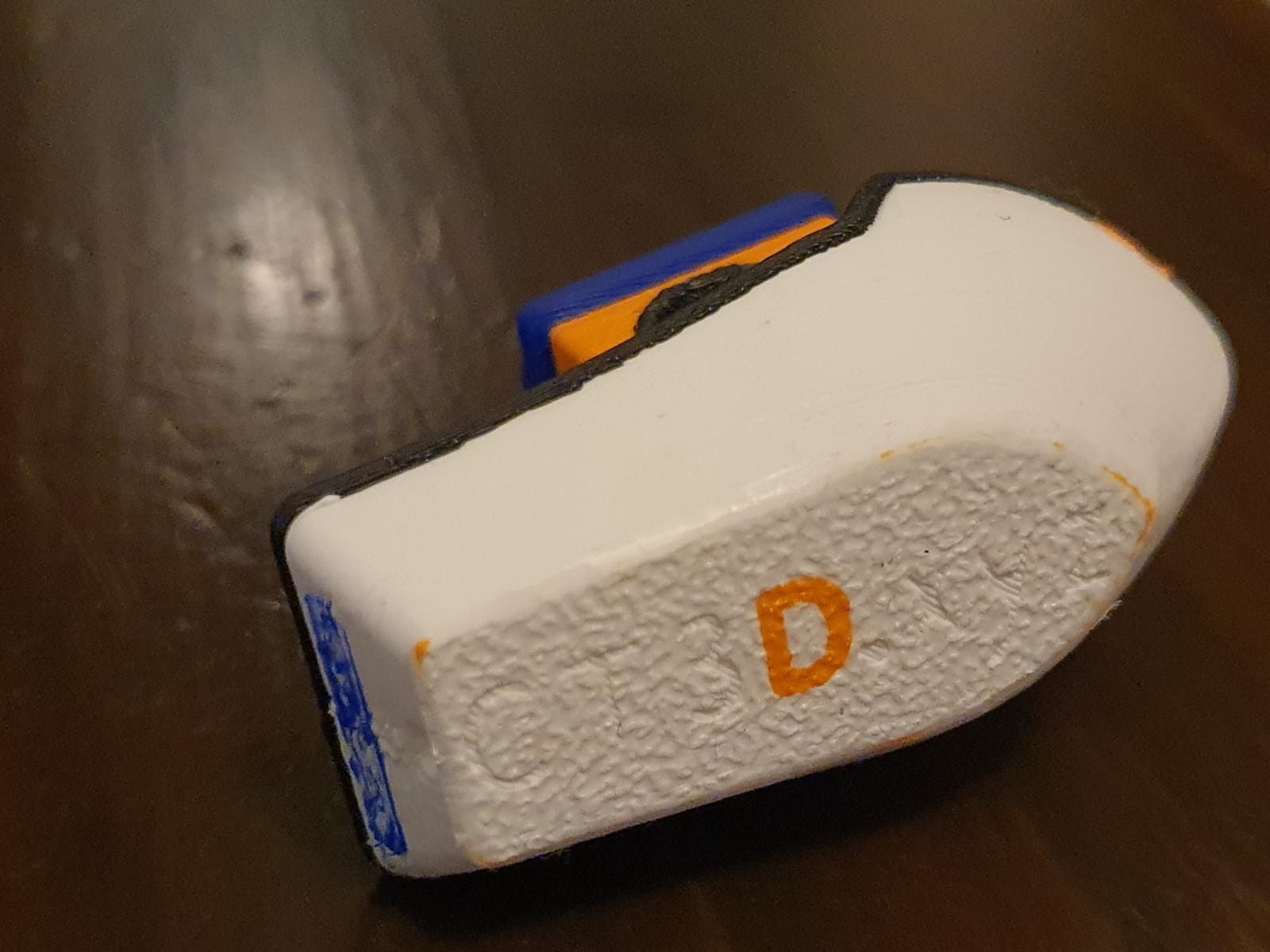
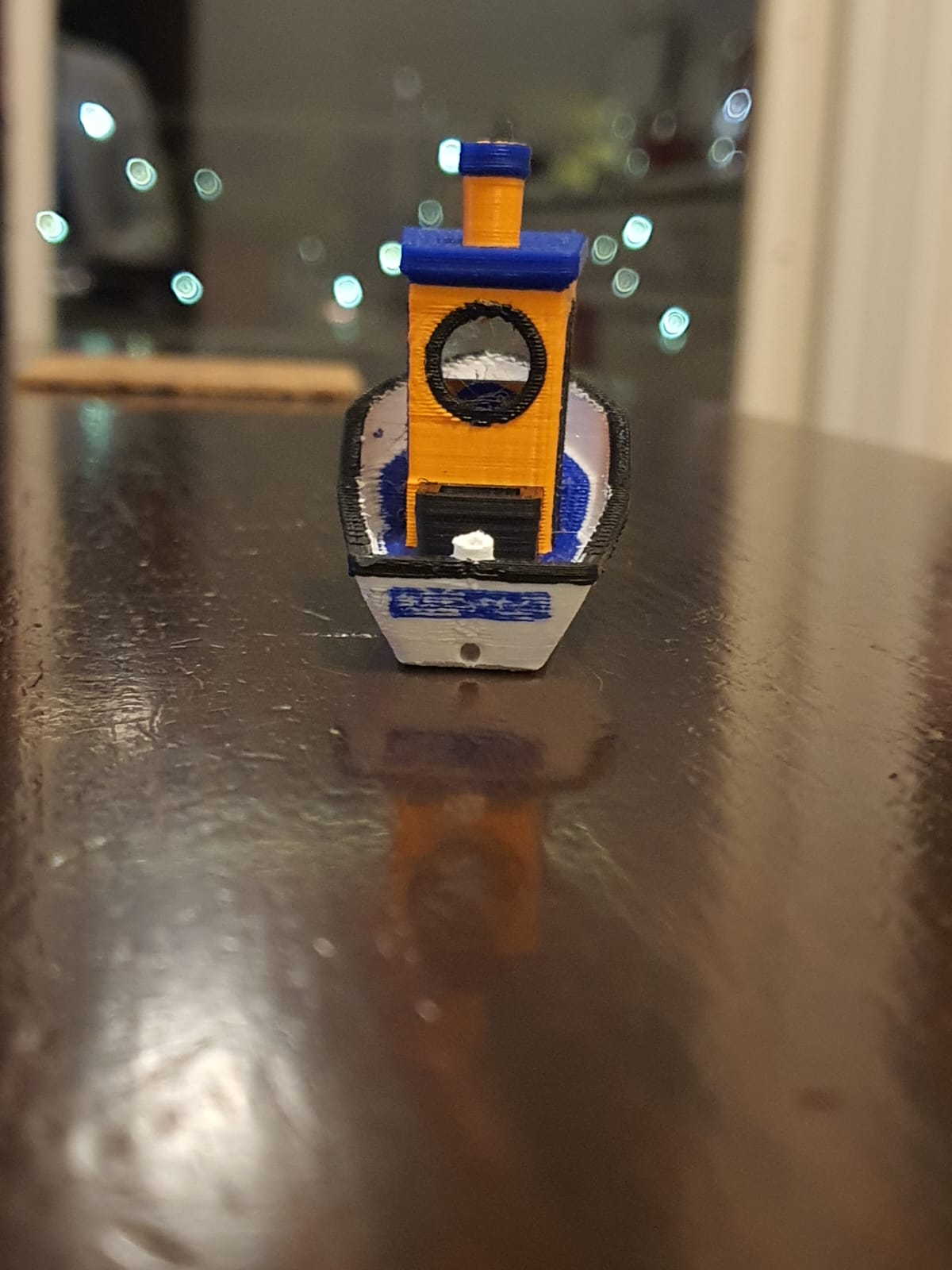
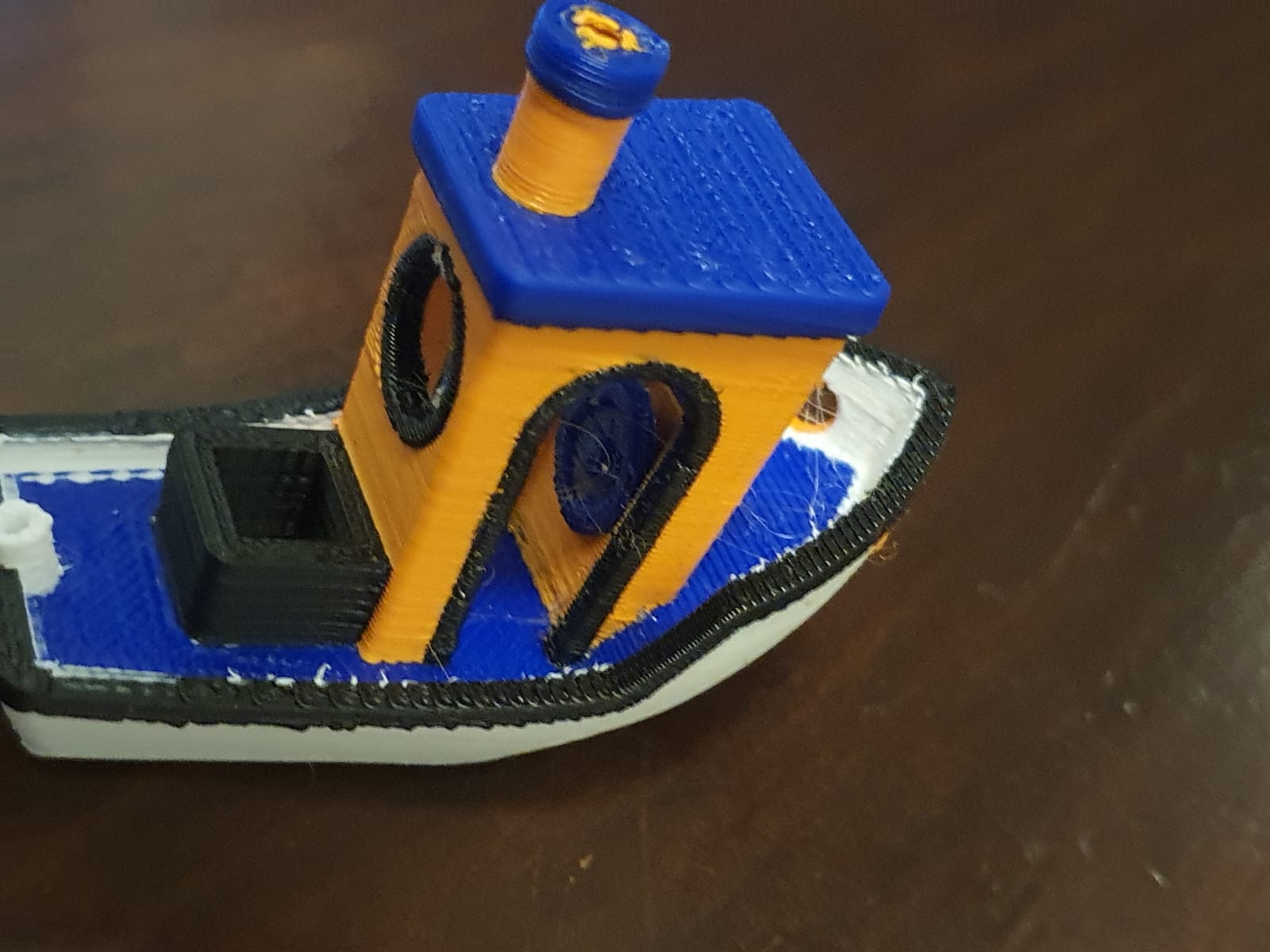
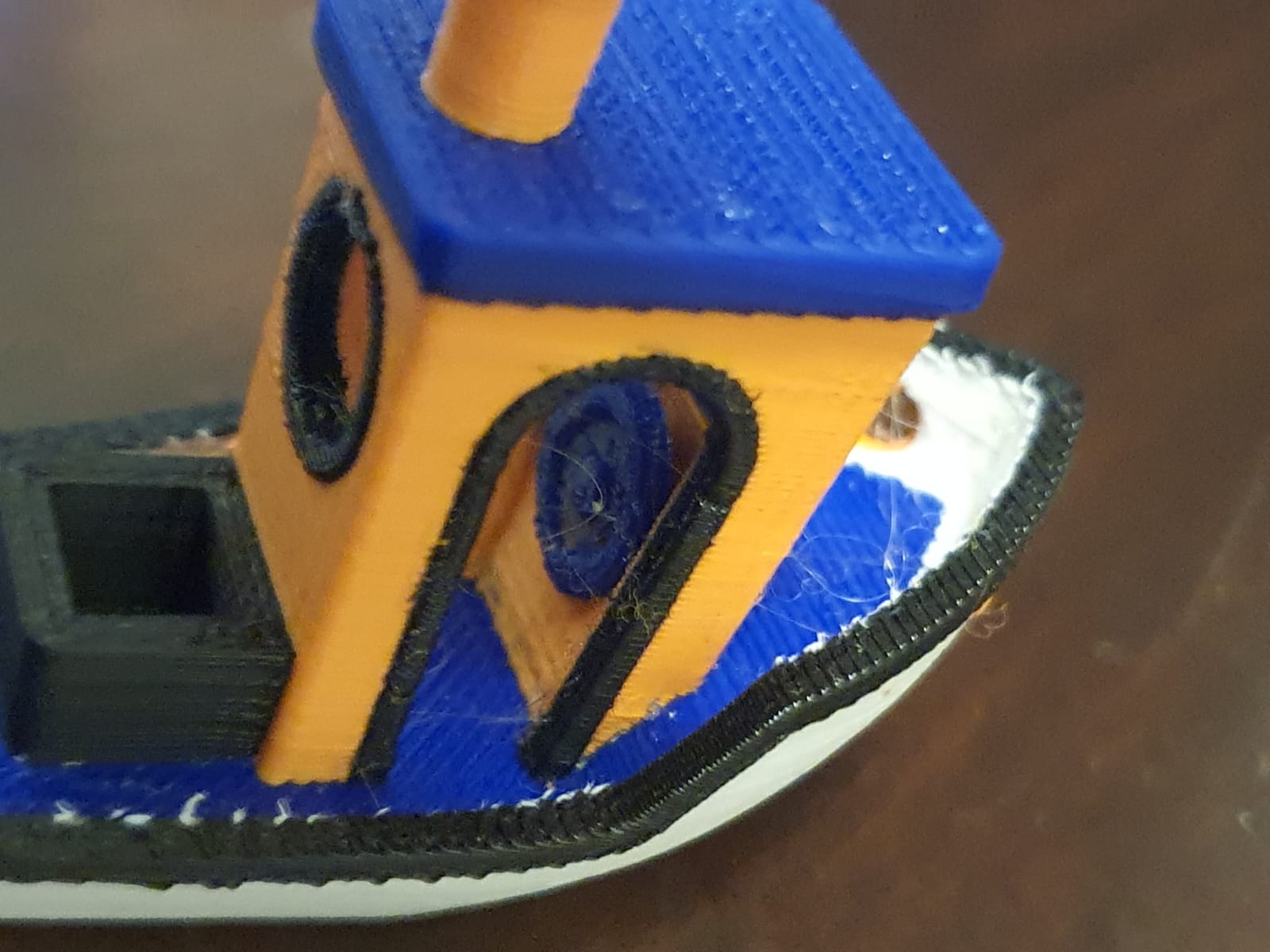
The bow of the benchy , the white right part at the bottom sags a bit.

The solution was to set the bed temperature at 10 degrees lower.
So; I now start with 60 degrees and after the first layer the bed temp goes to 50 degrees.
In addition, I flipped the benchy 180 degrees so that the cool air on the left side cools the bow better. Now it turned out absolutely beautiful!
Printed with 0.2 mm layer height and 120 mm/s!
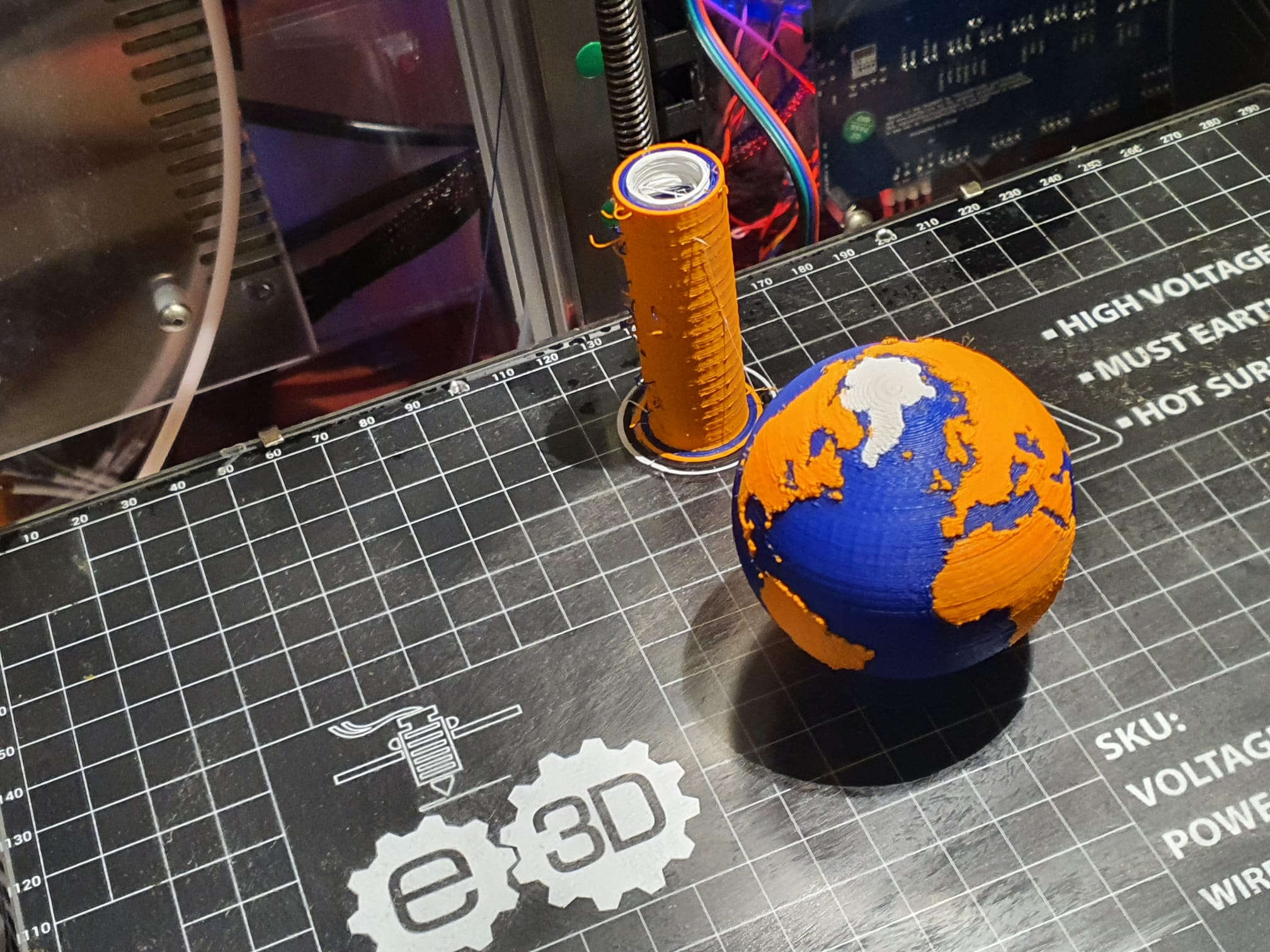
Not perfect yet but we’ll get there!


E3D toolchanger: Tuning the tool pickups with reprap global variables and macros assistance
E3D toolchanger upgrade: X-and Y- axis homing switches installing and configuring
Building E3D coreXY 4-toolchanger 3d printer
Toolhead stepper fault and solution